
GE Condenser Dryer Manual: Article Plan
This document outlines a comprehensive guide for GE condenser dryers, covering installation, operation, maintenance, troubleshooting, and warranty details․
It references models like GFT14ESSMWW and GFQ14, including service manual access (500A277P033)․
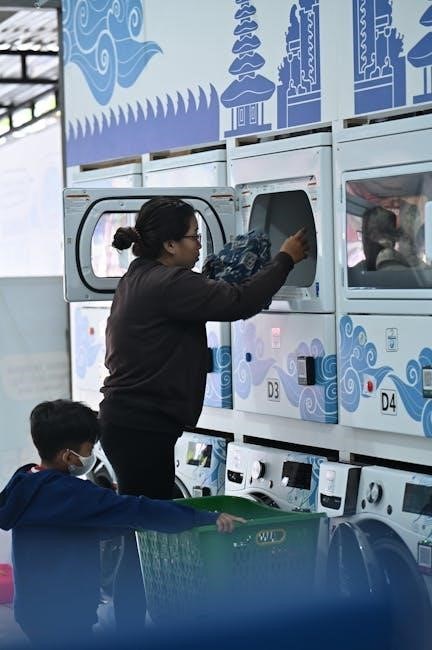
GE condenser dryers represent a significant advancement in laundry technology, offering efficient and convenient clothes drying without the need for external venting․ These dryers are particularly well-suited for apartments, condos, or homes where traditional vented dryers aren’t practical․ Models like the GFT14ESSMWW exemplify this innovation, providing reliable performance and a range of features designed to simplify your laundry routine․
This manual serves as a complete resource for understanding and utilizing your GE condenser dryer․ It details everything from initial setup and operation to troubleshooting common issues and accessing service information․ Whether you’ve recently purchased a standalone condenser dryer or a combination washer/dryer unit like the GFQ14, this guide will ensure optimal performance and longevity․
Understanding Condenser Dryer Technology
Unlike vented dryers that expel moist air outside, condenser dryers utilize a closed-loop system․ Warm, moist air is circulated through a heat exchanger, where moisture is condensed into water․ This water is then collected in a container or drained through a hose – eliminating the need for ductwork․ This makes installation incredibly flexible, as no external vent is required․
GE condenser dryers are engineered for efficiency, minimizing energy consumption while delivering powerful drying performance․ The process relies on cooling the moist air, effectively removing humidity without losing heat to the outside․ Understanding this core principle is key to maximizing your dryer’s effectiveness and appreciating its ventless design․ Regular maintenance, particularly condenser cleaning, is crucial for sustained performance․
Key Features of GE Condenser Dryer Models
GE condenser dryers boast a range of innovative features designed for convenience and optimal fabric care․ Many models, like the GFT14ESSMWW, offer sensor drying, automatically adjusting drying time based on moisture levels․ Steam refresh cycles help reduce wrinkles and odors without washing․ Advanced moisture sensing technology prevents over-drying, protecting clothes and saving energy․
Furthermore, GE incorporates user-friendly control panels with intuitive cycle selections․ Combination washer/dryer units (GFQ14) maximize space efficiency․ Select models feature Wi-Fi connectivity for remote monitoring and control via smartphone apps․ These features, combined with durable construction and efficient operation, position GE condenser dryers as a premium choice for modern laundry needs․
Model Number Location (e․g․, GFT14ESSMWW)
Locating your GE condenser dryer’s model number is crucial for accessing specific documentation, ordering parts, and receiving accurate support․ Typically, the model number is found on a label affixed to the dryer’s frame․ Specifically, for front-load models like the GFT14ESSMWW, check inside the dryer door opening, along the front panel․
The label is usually a silver or white sticker containing various codes, including the model number, serial number, and manufacturing date․ For combination units such as the GFQ14, the label might be located on the side or back of the appliance․ Having this information readily available streamlines troubleshooting and ensures you receive the correct assistance when contacting customer support or referencing the service manual (e․g․, 500A277P033)․
Safety Precautions
Prioritizing safety is paramount when operating your GE condenser dryer․ Always ensure the dryer is properly installed and grounded, following all electrical connection details outlined in the installation guide․ Never operate the dryer if it’s damaged or if the power cord is frayed․ Keep flammable materials away from the dryer’s vicinity, as residual heat can pose a fire hazard․
Do not attempt to repair the dryer yourself; contact qualified service personnel for any maintenance beyond routine cleaning․ Always disconnect the power supply before performing any cleaning or maintenance tasks․ Supervise children when they are near the dryer, and never allow them to play with the controls․ Refer to the ‘Important Safety Instructions’ section for a complete list of guidelines to ensure safe operation and prevent potential hazards․
Important Safety Instructions
Read all instructions before using your GE condenser dryer․ This appliance is intended for household use only․ To reduce the risk of fire, electric shock, or injury, adhere to these crucial guidelines․ Do not install the dryer in a damp or wet location․ Ensure adequate ventilation to prevent overheating․ Never dry items that have been soaked in flammable liquids, such as gasoline or cleaning solvents․
Always clean the lint filter before each load to maintain optimal performance and prevent fire hazards․ Do not overload the dryer, as this can affect drying efficiency and potentially damage the machine․ Disconnect the power supply before cleaning or servicing․ Keep the area around the dryer free from combustible materials․ Save these instructions for future reference․
Installation Guide
Proper installation is crucial for optimal performance of your GE condenser dryer․ Begin by unboxing the dryer and inspecting it for any shipping damage․ Ensure the installation location meets the ventless dryer installation requirements – a stable, level surface is essential․ Electrical connection details are paramount; this dryer requires a dedicated circuit․ Do not use an extension cord․
Carefully review the included diagrams and instructions․ Confirm the voltage matches your home’s electrical system․ Once connected, perform an initial setup, verifying all connections are secure․ Refer to the manual for specific model instructions (e․g․, GFQ14 combination units may have unique steps)․ Improper installation can void the warranty and create safety hazards․
Unpacking and Initial Setup
Carefully unpack your new GE condenser dryer, retaining all packaging materials until you’ve confirmed everything is present and undamaged․ Inspect the dryer thoroughly for any shipping-related issues․ Remove all protective films and shipping restraints before operation․ Locate the model number (e․g․, GFT14ESSMWW) – it’s typically on a label behind the dryer door․
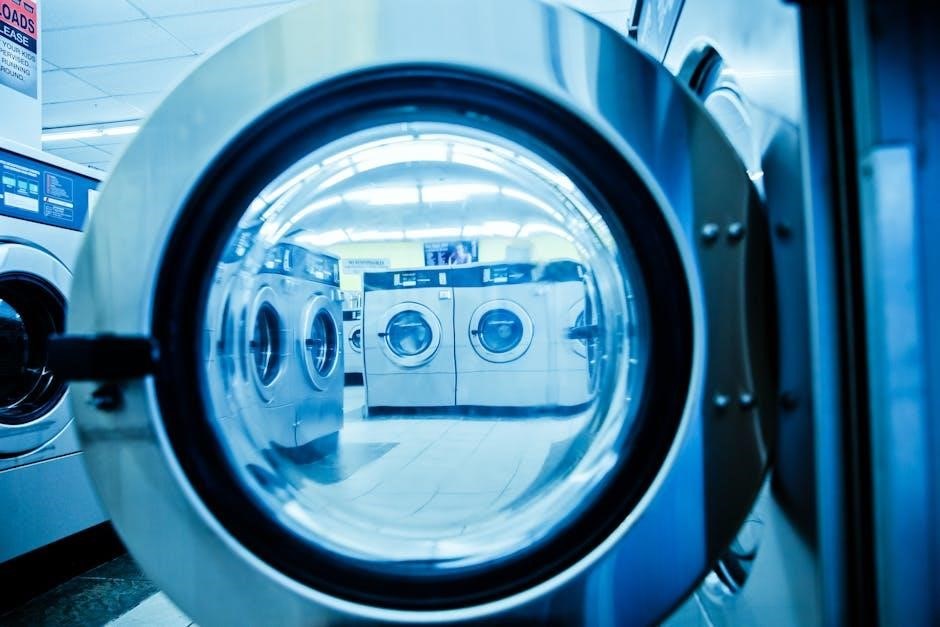
Initial setup involves connecting the power cord (ensure proper voltage!) and verifying the dryer is level․ Run a short, empty cycle to burn off any manufacturing residue․ Familiarize yourself with the control panel overview before loading laundry․ Refer to the owner’s manual for specific instructions related to your model, especially for combination washer/dryer units like the GFQ14․
Ventless Dryer Installation Requirements
GE condenser dryers are ventless, eliminating the need for external venting – a significant advantage! However, proper installation is crucial․ Ensure the laundry room has adequate airflow to prevent moisture buildup․ A dedicated 120V electrical outlet is required; avoid extension cords․ Electrical connection details must adhere to local codes․
Maintain sufficient space around the dryer for servicing and ventilation – consult the manual for specific clearances․ The dryer should be placed on a level, stable surface․ Unlike vented dryers, no ductwork is needed, simplifying installation․ Proper grounding is essential for safety․ Refer to the installation instructions (found in manuals like for the GFQ14 combination unit) for detailed guidance and model-specific requirements․
Electrical Connection Details
GE condenser dryers typically require a standard 120V, 60Hz electrical supply․ Do not use extension cords or adapters; a dedicated outlet is essential for safe and efficient operation․ The dryer must be properly grounded – never alter the plug․ Refer to the model-specific manual (e․g․, GFT14ESSMWW) for precise amperage and wattage requirements, as these can vary․
Installation should be performed by a qualified electrician to ensure compliance with local electrical codes․ Incorrect wiring can pose a serious safety hazard․ Verify the voltage matches the dryer’s specifications before connecting․ The service manual (like 500A277P033) may contain detailed electrical diagrams for advanced troubleshooting and repair, but professional assistance is recommended for electrical work․
Operating Instructions
To begin, ensure the dryer is properly installed and connected to a grounded outlet․ Load clothes, avoiding overfilling for optimal performance․ Select the appropriate cycle using the control panel – options include delicate, normal, bulky, and timed dry․ Press the ‘Start’ button to initiate the drying process․
GE condenser dryers automatically detect moisture levels, adjusting drying time accordingly․ Monitor the lint filter indicator and clean it after each load․ Refer to your model’s manual (GFT14ESSMWW or GFQ14 for combination units) for specific cycle details and settings․ The dryer will signal completion; promptly remove clothes to prevent wrinkles․ Always unplug the dryer before cleaning or maintenance․
Control Panel Overview
The GE condenser dryer control panel features a user-friendly interface․ Typically, a digital display indicates cycle selection, remaining time, and error codes․ Cycle selection dials or buttons allow choosing from pre-set programs like ‘Delicates’, ‘Normal’, ‘Bulky’, and ‘Timed Dry’․

Additional options may include temperature settings, wrinkle care, and delay start․ A ‘Start/Pause’ button initiates or halts the drying cycle․ Indicator lights signal operation status, such as ‘Heating’ or ‘Cool Down’․ Refer to your specific model (e․g․, GFT14ESSMWW, GFQ14) manual for detailed explanations of each function․ Understanding these controls ensures efficient and customized drying performance․
Cycle Selection Guide
GE condenser dryers offer a variety of cycles to suit different fabric types and drying needs․ The ‘Normal’ cycle is ideal for everyday cottons and linens․ ‘Delicates’ provides gentle heat for sensitive items like lingerie and silk; ‘Bulky/Bedding’ accommodates larger loads like comforters and blankets․
‘Timed Dry’ allows manual setting of drying time, useful for specific moisture levels․ ‘Steam Refresh’ can reduce wrinkles without full drying (available on combination models like GFQ14)․ Always consult the garment care label before selecting a cycle․ Improper cycle selection can lead to damage or inefficient drying․ Refer to your model’s manual (GFT14ESSMWW) for a complete cycle list and recommendations․
Loading and Unloading the Dryer
Proper loading ensures efficient drying and prevents damage to clothes․ Avoid overloading the dryer; items need space to tumble freely․ Distribute the load evenly to maintain balance․ Before loading, check pockets for objects like coins or keys․

After the cycle completes, promptly remove items to prevent wrinkles․ Gently shake out each item before folding or hanging․ Regularly check for any remaining lint or debris․ For combination units (GFQ14), ensure the drum is completely empty before switching to the wash cycle․ Refer to your specific model’s manual (GFT14ESSMWW) for load capacity guidelines and safety precautions during loading and unloading․
Maintenance and Cleaning
Regular maintenance extends your GE condenser dryer’s lifespan and ensures optimal performance․ Key areas include the condenser, lint filter, and drum․ Consistent cleaning prevents buildup that reduces efficiency and can pose a fire hazard․ Always disconnect the dryer from power before any maintenance․
The condenser requires periodic cleaning (see dedicated section) to remove accumulated lint and debris․ The lint filter should be cleaned after every load․ Wipe down the drum with a damp cloth as needed․ Refer to your model’s manual (e․g․, GFT14ESSMWW, GFQ14) for specific cleaning instructions and recommended cleaning solutions․ Following these steps will maintain peak operation․
Condenser Cleaning Procedure
The condenser is crucial for efficient operation; regular cleaning is essential․ Locate the condenser – typically at the base of the dryer, accessible via a panel․ Always disconnect power before starting! Remove the condenser carefully, noting its orientation for reinstallation․
Use a vacuum cleaner with a brush attachment to remove lint and debris from the condenser fins․ For stubborn buildup, gently rinse with lukewarm water – avoid high pressure․ Ensure the condenser is completely dry before reinstalling․ Refer to your GE dryer’s manual (models like GFT14ESSMWW or GFQ14) for specific diagrams and instructions․ Proper condenser maintenance optimizes drying performance․
Lint Filter Maintenance
Maintaining a clean lint filter is paramount for safety and efficiency․ Locate the lint filter – usually inside the dryer door or on top of the unit․ Clean the filter after every load! Gently remove any lint buildup by hand or with a soft brush․
Periodically wash the lint filter with mild detergent and warm water to remove residue that can clog the pores․ Ensure the filter is completely dry before reinstalling․ A clogged filter restricts airflow, increasing drying time and posing a fire hazard․ Consult your GE dryer’s manual (GFT14ESSMWW, GFQ14 models) for specific filter locations and cleaning recommendations․ Regular maintenance extends dryer lifespan․
Drum Cleaning Instructions
Regular drum cleaning prevents buildup and odors, ensuring optimal performance․ Use a GE dryer cleaner product, or a solution of mild detergent and warm water․ Apply the cleaner to a soft cloth and wipe down the entire interior drum surface․
Avoid abrasive cleaners that could damage the drum finish․ For stubborn residue, allow the cleaner to sit for a few minutes before wiping clean․ Run an empty, short cycle with a damp cloth inside to rinse․ Refer to your GE dryer’s manual (models like GFT14ESSMWW or GFQ14) for specific cleaning instructions․ This process maintains hygiene and prevents transfer of residue to clothes, extending the life of your appliance․
Troubleshooting Common Issues
Encountering problems? This section addresses frequent concerns with your GE condenser dryer (like GFT14ESSMWW or GFQ14)․ If the dryer doesn’t start, check the power cord and circuit breaker․ For no-heat issues, verify the heating element isn’t faulty – consult service manual 500A277P033 for diagnostics․
Error codes indicate specific problems; refer to your manual for their meanings․ A clogged lint filter is a common cause of reduced performance․ Ensure proper ventilation and a clean condenser unit․ If issues persist, contact GE customer support․ Always disconnect power before attempting repairs․ Ignoring problems can lead to more significant damage and costly repairs․
Dryer Not Starting
If your GE condenser dryer (models like GFT14ESSMWW) fails to power on, begin with simple checks․ Ensure the power cord is securely plugged into a functioning outlet․ Verify the circuit breaker hasn’t tripped or the fuse blown․ Test the outlet with another appliance to confirm power delivery․
Next, check the dryer’s control panel․ Is the door latch securely closed? Some models won’t start if the door isn’t properly engaged․ Consult the owner’s manual or service manual (500A277P033) for specific troubleshooting steps․ If these steps don’t resolve the issue, professional service may be required to diagnose potential internal faults․
Dryer Not Heating
If your GE condenser dryer isn’t producing heat (relevant to models like GFT14ESSMWW), several factors could be at play․ First, confirm you’ve selected a drying cycle that includes heat – some cycles are air fluff only․ Check the lint filter; a clogged filter restricts airflow and can trigger a safety shut-off, preventing heating․
Further investigation may require checking the heating element․ However, this should only be done by a qualified technician due to electrical hazards․ Refer to the service manual (500A277P033) for component locations and testing procedures․ A faulty thermal fuse or thermostat could also be the culprit, interrupting the heating process․ Professional diagnosis is recommended․
Error Codes and Their Meanings
GE condenser dryers (including models like GFQ14 combination units and GFT14ESSMWW) utilize error codes to signal malfunctions․ These codes assist in diagnosing issues, streamlining repairs․ While specific codes vary, common ones indicate problems with the condenser unit, water supply (for combination models), or sensor failures․
Consult your dryer’s display panel and refer to the owner’s manual for a complete list․ The service manual (500A277P033) provides detailed explanations of each code and potential solutions․ Ignoring error codes can lead to further damage․ Always disconnect the dryer from power before attempting any repairs․ If unsure, contact GE customer support for assistance․
GE Combination Washer/Dryer Units (e․g․, GFQ14)
GE’s combination washer/dryer units, such as the GFQ14, offer space-saving convenience․ These all-in-one appliances integrate washing and condenser drying cycles within a single unit․ However, they require specific installation considerations, including proper water supply and electrical connections․
Operation differs from standalone dryers; cycle selection is crucial for optimal performance․ The GFQ14 owner’s manual details these cycles and provides troubleshooting guidance․ Condenser cleaning is particularly important in combination models to prevent reduced drying efficiency․ Refer to the service manual (500A277P033) for detailed component information and advanced diagnostics․
Specific Features of Combination Models
GE combination units like the GFQ14 boast steam wash and condenser dry technology, enhancing fabric care and eliminating the need for external venting․ These models often include specialized cycles for delicate items and bulky loads, optimizing performance for diverse laundry needs․
Unique features include automatic load sensing, adjusting water levels and drying times for efficiency․ The control panel offers intuitive operation, though understanding specific cycle parameters is vital; Regular condenser cleaning is paramount, as buildup impacts drying effectiveness․ Accessing the service manual (500A277P033) provides detailed insights into component functionality and potential troubleshooting steps for these integrated systems․
Warranty Information
GE Appliances provides a standard warranty for its condenser dryers, typically covering one year for parts and labor․ Extended warranty options are often available for purchase, offering additional protection against potential repairs beyond the initial coverage period․
The warranty covers defects in materials and workmanship under normal household use․ It does not cover damage resulting from improper installation, misuse, or lack of maintenance – including condenser cleaning․ To initiate a warranty claim, retain your proof of purchase and contact GE Appliances customer support․ Refer to your owner’s manual for specific warranty terms and conditions, as they may vary by model (e․g․, GFT14ESSMWW, GFQ14)․
Customer Support Contact Details
For immediate assistance with your GE condenser dryer, several customer support channels are available․ You can reach GE Appliances via phone at 1-800-626-2000․ Their website, www․geappliances․com, offers a comprehensive FAQ section, troubleshooting guides, and the ability to schedule service appointments online․
Live chat support is also accessible through the GE Appliances website for quick answers to your questions․ When contacting support, have your model number (e․g․, GFT14ESSMWW, GFQ14) and serial number readily available․ For service manual access (like 500A277P033 related inquiries), specify this during your contact․ GE aims to provide efficient and helpful support for all its appliance owners․
Service Manual Access (500A277P033 & Similar)
Accessing the GE condenser dryer service manual, such as document 500A277P033, is crucial for qualified technicians performing repairs․ These manuals contain detailed electrical diagrams, parts lists, and advanced troubleshooting procedures not found in the standard owner’s manual․
While direct access for consumers is often restricted, authorized service providers can obtain these manuals through GE’s professional services network․ Searching online using the specific model number alongside “service manual” may yield results, but verifying authenticity is vital․ These resources are essential for understanding dryer components and performing complex diagnostics, ensuring safe and effective repairs for models like GFT14ESSMWW and GFQ14․
Understanding Dryer Components
GE condenser dryers comprise several key components working in harmony․ The condenser unit itself cools moist air, extracting water into a collection tank․ A heating element generates heat for the drying cycle, while the drum rotates clothes for even exposure․ The lint filter captures debris, preventing airflow obstruction and maintaining efficiency․
Essential sensors monitor temperature and moisture levels, controlling the drying process․ A motor drives the drum and fan, and a control board orchestrates all functions․ Understanding these parts – referenced in service manuals like 500A277P033 – aids in troubleshooting and repair, particularly for models GFT14ESSMWW and GFQ14․ Proper component function ensures optimal performance and longevity․
Electrical Diagrams
Detailed electrical diagrams are crucial for servicing GE condenser dryers, including models like the GFT14ESSMWW and GFQ14․ These schematics illustrate the wiring connections between components – the heating element, motor, control board, sensors, and power supply․ Accessing these diagrams, often found within the service manual (e․g․, 500A277P033), is essential for diagnosing electrical faults and performing safe repairs․
Diagrams depict voltage levels, wiring colors, and component locations․ Understanding these layouts allows technicians to trace circuits, identify short circuits or open connections, and replace faulty parts correctly․ Caution: Working with electrical components requires expertise and adherence to safety protocols․ Improper repairs can lead to hazards․
Parts List
A comprehensive parts list is vital for repairing GE condenser dryers, encompassing models such as the GFT14ESSMWW and combination units like the GFQ14․ This list details every replaceable component, from the heating element and drum rollers to the control panel and condenser unit itself․ Referencing the service manual (e․g․, 500A277P033) provides accurate part numbers for ordering replacements․
The parts list typically includes exploded views illustrating component placement within the dryer․ This aids in disassembly and reassembly․ Commonly replaced parts include the lint filter, drive belt, thermostats, and sensors․ Always use genuine GE replacement parts to ensure compatibility and maintain dryer performance and safety․ Incorrect parts can cause malfunctions or hazards․
Advanced Troubleshooting
Advanced troubleshooting of GE condenser dryers, including models like GFT14ESSMWW and GFQ14, often requires a multimeter and understanding of electrical diagrams (found in service manual 500A277P033)․ Beyond basic error codes, investigate issues like inconsistent heating, unusual noises, or failure to enter specific cycles․

Check the condenser motor and fan for proper operation․ Inspect the thermistors for accurate temperature readings․ Utilize the service manual to interpret voltage and resistance values for key components․ Software glitches in newer models (potentially with Nvidia App integration) may necessitate firmware updates․ Always disconnect power before performing any advanced diagnostics or repairs, prioritizing safety․
Software/App Updates (Nvidia App Integration ー if applicable)
Certain GE condenser dryer models, particularly newer smart appliances, may integrate with the Nvidia App for enhanced functionality and diagnostics․ Check for available software updates through the app or the dryer’s control panel․ These updates can address performance issues, introduce new features, or improve compatibility with smart home ecosystems․
The Nvidia App, replacing GeForce Experience, provides a centralized hub for driver updates and appliance management․ Ensure a stable internet connection during the update process․ Follow on-screen prompts carefully to avoid interrupting the installation․ Regular updates are crucial for optimal dryer performance and security, potentially resolving bugs and enhancing user experience․
Long-Term Care and Longevity
Maximizing the lifespan of your GE condenser dryer requires consistent, proactive maintenance․ Regularly clean the condenser coils to ensure efficient heat exchange and prevent overheating – a critical step often overlooked․ Avoid overloading the dryer, as this strains the motor and heating element․ Promptly address any unusual noises or error codes, as these can indicate developing problems․
Proper ventilation is key, even for ventless models, to dissipate heat and moisture․ Periodically inspect the door seal for damage and replace it if necessary․ Use HE (High Efficiency) detergent if your model supports it, minimizing residue buildup․ Following these guidelines will contribute to years of reliable performance from your GE condenser dryer․

Tips for Extending Dryer Lifespan
To ensure your GE condenser dryer provides years of service, prioritize preventative care․ Always clean the lint filter after every load – this is the single most impactful step․ Periodically deep clean the condenser, following the manufacturer’s instructions, to maintain optimal efficiency․ Avoid harsh chemicals when cleaning the drum; mild detergent and water are sufficient․
Check and tighten all connections annually, including the electrical cord․ Don’t ignore unusual sounds; they often signal a developing issue․ Level the dryer to reduce vibration and stress on components․ Proper usage and consistent maintenance will significantly extend the operational life of your GE condenser dryer, saving you money and hassle․
Disposal and Recycling Information
Responsible disposal of your GE condenser dryer is crucial for environmental protection․ Do not simply discard the unit with regular trash․ Many components contain recyclable materials and potentially hazardous substances․ Check with your local waste management authority for specific regulations regarding appliance disposal in your area․
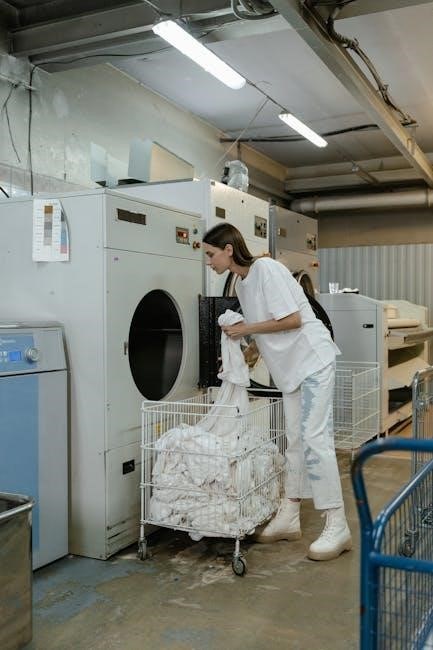
GE Appliances encourages recycling through designated programs․ Search online for “GE appliance recycling” to find nearby collection sites or scheduled pick-up events․ Consider donating your dryer if it’s still functional to a charitable organization․ Properly decommissioning and recycling your GE dryer minimizes environmental impact and supports sustainable practices․