Definition and Purpose of Guided Tissue Regeneration
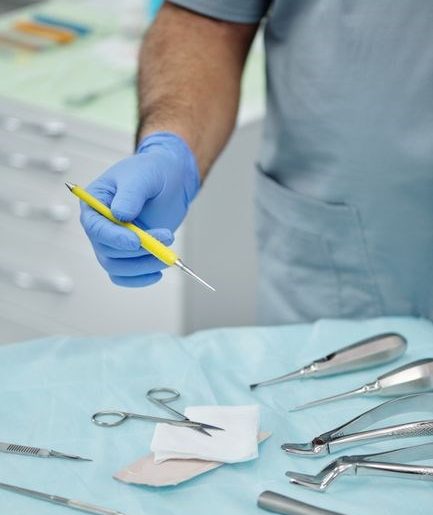
Guided tissue regeneration (GTR) uses barrier membranes to direct cell migration, promoting selective tissue repair. Its purpose is to restore periodontal structures while minimizing scar tissue. Understanding GTR’s cost hinges on membrane choice, surgical time, and clinical outcomes. and carecost.
Core Materials and Barrier Membranes
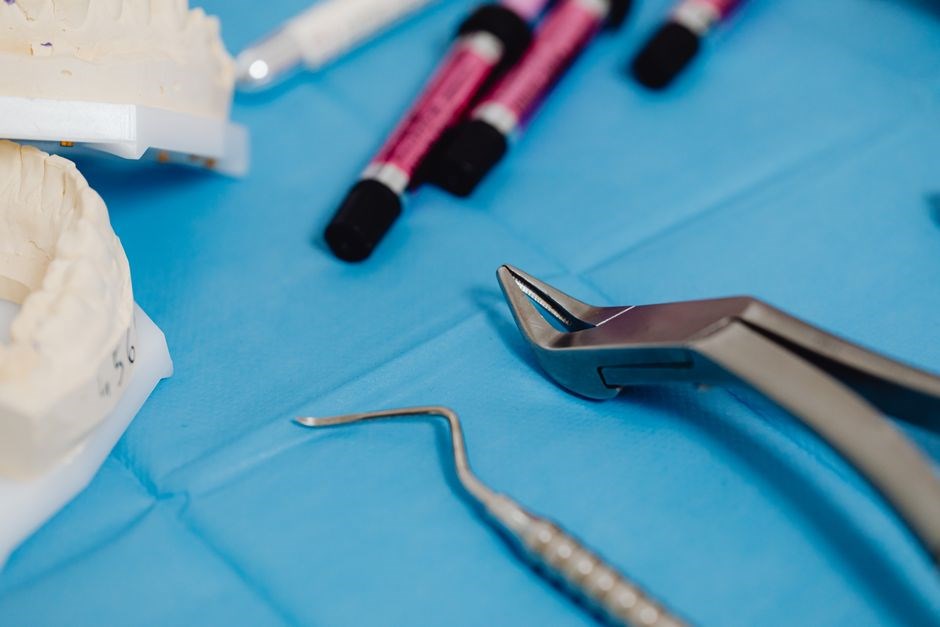
Core materials in guided tissue regeneration encompass a spectrum of barrier membranes, each with distinct mechanical, biological, and economic profiles. The most common categories are non‑resorbable membranes, such as expanded polytetrafluoroethylene (ePTFE) and titanium meshes, and resorbable membranes, including collagen, polylactic‑polyglycolic acid (PLGA), and hydroxyapatite composites. Non‑resorbable options typically require a second surgical visit for removal, adding to overall procedural cost, whereas resorbable membranes eliminate that expense due to specialized manufacturing processes. The choice of membrane directly influences operative time; rigid, non‑resorbable barriers often demand meticulous fixation and can prolong surgery, while softer, resorbable sheets are easier to place but may need adjunctive stabilization. Cost variations also arise from membrane surface characteristics: porous membranes facilitate cell migration and may reduce the need for additional grafting materials, whereas dense membranes provide stronger cell exclusion but can increase the likelihood of postoperative complications, potentially raising follow‑up costs. Moreover, the incorporation of bioactive additives—such as growth factors or antimicrobial agents—can enhance regenerative outcomes but significantly inflate material expenses. In practice, clinicians balance these factors against patient‑specific risk profiles, defect size, and expected healing trajectories to arrive at a cost‑effective yet biologically sound treatment plan. Custom membranes tailored to defect geometry often command premium fees but can reduce operative time and improve fit, offsetting initial costs. Regulatory compliance and certifications (e.g., ISO 13485, FDA clearance) add overhead to production, reflected in the final price tag. Thus, the economic landscape of core materials is a complex interplay of material science, surgical logistics, and regulatory economics. Clinicians weigh costs andresult
Key Factors Influencing Cost
Key factors shaping GTR costs are membrane type, defect size, surgical time, geographic location, and insurance coverage. These elements determine upfront fees, follow‑up visits, and overall treatment expense, impacting patient affordability. Clinicians weigh material durability and patient compliance daily costs.
Membrane Type and Material
In guided tissue regeneration, the choice of barrier membrane—whether resorbable or non‑resorbable, collagen‑based, synthetic polymer, or xenograft—influences both procedural complexity and financial outlay. Resorbable collagen membranes, derived from bovine or porcine sources, typically cost between $200 and $400 per unit, reflecting their ease of handling. Synthetic resorbable options, such as polyglycolic acid or polycaprolactone blends, can range from $250 to $500, offering predictable degradation profiles but often requiring. Non‑resorbable membranes, including expanded polytetrafluoroethylene (ePTFE) or titanium meshes, command higher prices—$500 to $1,200—due to their durability and the need for removal. The material’s pore size, thickness, and surface chemistry also affect surgical time; membranes that facilitate rapid cell exclusion reduce operative duration, thereby lowering anesthesia and staff costs. Moreover, the supplier’s geographic location and the volume of units purchased influence wholesale pricing, with bulk contracts sometimes yielding 10–15% discounts. Finally, the integration of growth factors or antimicrobial agents into the membrane can add $50–$100 per unit, but may improve clinical outcomes and potentially reduce long‑term treatment expenses. In sum membrane selection is a pivotal determinant of the overall cost structure in GTR, balancing upfront material fees against procedural efficiency and specific healing trajectories.
Lesion Extent and Complexity
Lesion extent and complexity directly dictate the financial footprint of a guided tissue regeneration (GTR) procedure. Small, isolated intrabony defects that measure less than 3 mm in depth and involve a single wall typically require a single resorbable membrane and a brief surgical window, resulting in operative costs that hover between $1,200 and $1,600. In contrast, multi‑wall, deep intrabony pockets exceeding 5 mm, or combined periodontal–bone lesions that span multiple tooth surfaces, demand larger membrane areas, sometimes supplemented with bone grafts or particulate scaffolds, pushing the total outlay to $2,500–$3,800. The presence of adjacent root resorption, sinus communication, or periodontal abscesses adds further layers of surgical complexity, often necessitating additional imaging, specialized instruments, and extended anesthesia, thereby inflating the cost by 15–25 %. Moreover, the need for staged procedures—initial debridement followed by membrane placement—can double the operative time and associated fees. The lesion’s anatomical location also matters; access in the posterior mandible or maxilla may require flap elevation and careful preservation of neurovascular bundles, increasing both time and material usage. Finally, the clinician’s experience with complex defects influences efficiency; seasoned practitioners may complete a multi‑wall GTR in 90 minutes versus 120 minutes for novices, translating into a $200–$300 difference in anesthesia and staff charges. Thus, lesion size, configuration, and anatomical challenges are pivotal determinants of the overall cost profile for GTR interventions. Clinicians should also consider the potential for complications, such as membrane exposure or infection, which may necessitate additional visits and treatments, thereby further influencing the financial impact of the GTR procedure and 12‑month follow‑up to monitor bone density.
Geographic and Facility Variations
In the United States, GTR costs range from $1,800 to $3,200, with urban academic centers charging the upper end due to higher overhead and advanced biomaterials, while rural practices offer lower rates. Internationally, Canada sees $2,200–$3,000, the UK NHS covers 70 % of the fee leaving a $300–$600 co‑payment, and private clinics may charge $2,500–$4,000. European countries bundle imaging, membrane, and follow‑up into a single fee of €1,500–€2,800. Emerging markets in Asia and Latin America offer $1,200–$2,000 but may lack regulatory oversight, affecting material quality. Facility type matters; high‑volume hospitals amortize costs across many procedures, reducing per‑case fees, whereas single‑dentist offices charge higher to cover fixed costs. Disposable versus reusable instruments, on‑site pathology, and adjunctive therapies such as platelet‑rich plasma also influence billing. Geographic variations are compounded by insurance reimbursement policies, local cost of living, and biomaterial prevalence, making detailed cost comparisons essential. Seasonal patient volume can trigger temporary price adjustments, with peak orthodontic periods seeing a 10 % surcharge. Bundled payment models that include post‑operative maintenance lower overall costs by reducing separate visits. High malpractice insurance premiums may add a risk surcharge of up to $200 per case. Patient‑specific factors—smoking status, systemic disease, oral hygiene—can necessitate additional prophylactic measures, adding $150–$300 to the bill. These nuances highlight the need for transparent cost communication and individualized treatment planning. Additionally, regional economic shifts can prompt temporary fee increases, underscoring the importance of proactive budgeting. Patients should verify treatment today!!!
Direct Cost Components
Direct cost components include membrane fees, operative time, anesthesia, and postoperative supplies. Collagen membranes cost $400–$800; synthetic $300–$600. Surgery averages 90 min, adding $200–$400. Anesthesia $150–$300. Total ranges $850–$1,900. up. and antibiotics.
Membrane and Scaffold Expenses
Membrane and scaffold expenses represent the bulk of the direct cost in guided tissue regeneration (GTR). The price varies with material type, size, and clinical indication. Collagen‑derived membranes, often favored for their biocompatibility, range from $350 to $900 per unit, depending on thickness and pore size. Synthetic polytetrafluoroethylene (PTFE) or polyetheretherketone (PEEK) barriers are typically priced between $250 and $650, offering superior dimensional stability but requiring meticulous handling. Composite membranes that integrate growth factors or antimicrobial agents can exceed $1,200, reflecting added manufacturing complexity. Scaffold materials—such as deproteinized bovine bone mineral, hydroxyapatite, or bioactive glass—add an extra $200 to $500 per milliliter, depending on particle size and porosity. When multiple membranes or scaffolds are needed for extensive defects, the cumulative cost can reach $3,000 to $5,000. Additionally, the need for custom‑sized or patient‑specific membranes may introduce a 10–15% surcharge. These figures are influenced by regional supplier agreements, volume discounts, and the inclusion of ancillary materials like sutures or sealants. Understanding these cost drivers is essential for accurate budgeting and patient counseling. The cost is also affected by the choice of adjunctive biologics, such as platelet‑rich plasma or enamel matrix derivative, which can add $500–$1,500 per procedure and monitoring
Operative Time and Anesthesia Fees
Operative time and anesthesia fees are pivotal components of the cost structure for guided tissue regeneration (GTR). The surgical duration is influenced by defect size, anatomical complexity, and the necessity for adjunctive procedures such as bone grafting or sinus lift. A standard GTR procedure typically spans 45 to 90 minutes; extensive defects may extend beyond 120 minutes, and multi‑site interventions can approach 180 minutes or more. Anesthesia costs are tiered by modality and provider expertise. Many practices bill a base anesthesia fee plus incremental charges for each additional 30‑minute interval, often $100–$200 per interval. The total anesthesia expense also incorporates pre‑operative evaluation, intra‑operative monitoring equipment, and post‑operative recovery time. When a single session addresses multiple defects, the cumulative operative time can exceed three hours, thereby multiplying the anesthesia charges. Surgeons may employ minimally invasive techniques or staged procedures to reduce operative duration, thereby lowering anesthesia costs but may increase overall treatment visits. Balancing shorter operative times against the risk of incomplete defect coverage is essential for optimal clinical outcomes. Accurate timekeeping, transparent fee disclosure, and alignment with insurance reimbursement policies are critical for maintaining patient trust and ensuring financial viability of the GTR service. In addition, the choice of anesthesia delivery method can influence patient recovery time and post‑operative discomfort, which may affect the overall cost of care. For instance, using a local anesthetic with a long‑acting agent can reduce the need for post‑operative analgesics, thereby lowering pharmacy expenses. Conversely, general anesthesia may necessitate additional post‑operative monitoring and recovery room time, adding to facility daily overhead.

Indirect Cost Considerations
Beyond the direct fees for membranes and operative time, the economics of guided tissue regeneration encompass a spectrum of indirect expenditures that shape the final outlay for both practitioners and patients; Facility overhead—electricity, sterilization, and administrative support—can inflate the procedural cost by 10–15 % of the base fee. The amortization of specialized instruments, such as ultrasonic scalers and digital imaging systems,is typically spread over a 3‑ to 5‑year lifespan, adding a modest per‑case charge that is often embedded in the overall service rate. Training and credentialing of the surgical team contribute to the hidden budget;continuing education credits, simulation lab time, and mentorship sessions are necessary to maintain proficiency and are factored into the practice’s operating margin. Patient‑related costs cover travel,and missed work, and caregiver support during recovery; studies estimate several hundred dollars per treatment, affecting patient willingness. Post‑operative follow‑up visits, which may involve periodontal charting, radiographs, and adjunctive therapies, add to the cumulative expense, especially when complications arise. Finally, the risk of graft failure or membrane exposure imposes a contingency cost that,while statistically low, must be accounted for in the practice’s financial planning. Collectively, these indirect factors can elevate the total cost by 20–30 % over the direct procedural charges, underscoring the importance of transparent budgeting and patient education.
Insurance Coverage and Reimbursement
Insurance policies vary widely in how they treat guided tissue regeneration (GTR) procedures, often categorizing them as either “preventive” or “therapeutic” based on the clinical indication. Most commercial plans cover GTR only when it is deemed medically necessary, such as in cases of advanced periodontal bone loss or after extraction sites requiring bone grafting. The reimbursement structure typically follows a fee‑for‑service model, with the provider submitting a CPT code. Payer guidelines usually set a maximum allowable amount that is 70–85 % of the billed fee, leaving the patient responsible for the balance or a negotiated discount. Medicare Advantage plans may offer a bundled payment that includes the membrane, surgical time, and postoperative care, but the patient’s deductible and coinsurance can still amount to several hundred dollars. Medicaid programs in many states have stricter criteria, often requiring prior authorization and evidence of failed conventional therapy before approving GTR. Some specialty insurers provide supplemental coverage for regenerative procedures, but these plans typically impose higher premiums and stricter utilization review. Patients should verify coverage details, obtain pre‑authorization when necessary, and request itemized statements to ensure that the membrane and operative components are correctly coded. Transparent communication between the clinician, the billing department, and the insurer can reduce claim denials and help patients avoid unexpected out‑of‑pocket expenses.

Cost Comparison with Alternative Treatments
When evaluating the financial impact of guided tissue regeneration (GTR), clinicians and patients often compare it to conventional periodontal procedures, bone grafting, and implant placement. A typical GTR session, including membrane purchase, surgical time, and postoperative care, averages $1,200–$1,800 per site. In contrast, standard non‑regenerative periodontal surgery—scaling, root planing, and flap procedures—generally costs $800–$1,200, but does not guarantee bone fill. Bone grafting alone, without a barrier membrane, can range from $1,000 to $1,500, yet the absence of a selective barrier often results in less predictable outcomes and may necessitate procedures. Implant placement, while offering immediate functional restoration, typically incurs $3,000–$5,000 per implant, including surgical costs, abutment, and crown fabrication. When factoring in the need for bone augmentation, the total expense can exceed $6,000. GTR’s advantage lies in its ability to promote native bone regeneration, reducing the need for grafting or implant surgery. However, the upfront cost remains higher than basic periodontal therapy. Insurance coverage varies, and many plans reimburse GTR at a lower percentage than implant procedures, which can influence patient out‑of‑pocket expenses. Ultimately, the decision hinges on the severity of bone loss, long‑term functional goals, the patient’s willingness to invest in regenerative technology versus conventional or implant options.
Cost‑Optimization Strategies
To reduce the out‑of‑pocket burden of guided tissue regeneration (GTR), practitioners can adopt a multi‑layered approach. First, negotiate bulk pricing with membrane suppliers; many manufacturers offer tiered discounts for orders exceeding 50 units, cutting per‑unit costs by 15–20 %. Second, consider hybrid membranes—combining a resorbable core with a non‑resorbable outer layer—to extend shelf life and reduce waste. Third, implement digital surgical guides; pre‑operative planning with 3‑D imaging shortens operative time by 20–30 %, directly lowering anesthesia and chairside fees. Fourth, bundle ancillary services—such as postoperative follow‑up and radiographic monitoring—into a single fee structure; this streamlines billing and can trigger higher reimbursement rates from certain insurers. Fifth, invest in staff training focused on minimally invasive techniques; a 10‑minute reduction in procedure time per case translates to significant cumulative savings over a year. Sixth, explore alternative barrier materials like collagen‑derived membranes that are often less expensive yet meet clinical efficacy standards. Seventh, leverage telehealth platforms for routine check‑ins; virtual visits cut travel costs for patients and reduce clinic overhead. Finally, maintain transparent communication with patients regarding the cost‑benefit profile; informed patients are more likely to consent to bundled packages and adhere to post‑operative protocols, thereby improving outcomes and reducing the need for costly retreatments.
Additionally, participating in academic collaborations can provide access to research‑grade membranes at reduced costs, and some institutions offer discounted rates for students and residents performing supervised procedures. Finally, adopting a value‑based care model—where reimbursement is tied to long‑term periodontal health rather than procedural volume—encourages efficient use of materials and time, ultimately lowering the overall cost to the patient while maintaining high clinical standards. These strategies collectively reduce average GTR costs by 10–15 %, making regenerative therapy more accessible for patients and caregivers.

Emerging Technologies and Future Cost Trends
Recent advances in biomaterial science are reshaping the cost landscape of guided tissue regeneration (GTR). 3‑D bioprinting of patient‑specific scaffolds, for instance, allows precise control over pore architecture and degradation kinetics, reducing the need for additional surgical interventions. Nanoparticle‑enhanced membranes deliver growth factors in a sustained manner, improving clinical outcomes while lowering number of visits required for follow‑up. Gene‑edited stem cells seeded onto biodegradable polymers have shown accelerated periodontal ligament formation in preclinical trials, hinting at a future where single‑session procedures become feasible. Moreover, the integration of machine‑learning algorithms into surgical planning software can predict optimal membrane placement and reduce operative time by up to 25 %, directly cutting anesthesia and chairside costs. Tele‑monitoring platforms, powered by wearable biosensors, enable real‑time assessment of wound healing, allowing clinicians to intervene only when necessary and thus avoid costly re‑treatments. Finally, the shift toward value‑based reimbursement models incentivizes the adoption of these technologies, as insurers increasingly recognize the long‑term cost savings associated with reduced morbidity and improved implant survival rates. Collectively, these innovations promise a trajectory of decreasing per‑case expenses, making regenerative therapy more affordable for both patients and providers.

Practical Summary for Clinicians and Patients
When evaluating GTR costs, clinicians should identify primary drivers: membrane choice, operative time, and postoperative care. High‑performance membranes—especially those with bioactive molecules—carry a premium but can reduce secondary procedures, lowering overall expenses. Transparent communication about upfront material fees versus long‑term savings is essential. Many insurers reimburse GTR under specialty dental coverage, yet limits vary; pre‑authorization can mitigate unexpected out‑of‑pocket costs. Digital workflow tools, such as 3‑D imaging and virtual surgical planning, streamline procedures and reduce chairside time, translating into lower anesthesia and facility charges. Evidence‑based protocols that limit unnecessary adjunctive therapies help keep costs predictable. Bundled payment models align incentives for quality and cost containment. Staying informed about emerging biomaterials—like biodegradable nanofiber membranes and gene‑edited scaffolds—lets practitioners anticipate future cost shifts and offer patients the most cost‑effective, evidence‑based options. Regular audit of material usage and operative efficiency further drives cost reductions and today.
Leveraging shared‑care models where a multidisciplinary team collaborates can distribute costs across specialties, reducing individual patient burden; Patients can also explore financing plans or payment‑splitting options offered by many dental practices, spreading the cost over several months without additional interest. By combining careful material selection, efficient surgical technique, and proactive insurance navigation, clinicians and patients can balance optimal regenerative outcomes with manageable financial impact.