
Navigating a low-histamine diet initially feels daunting‚ yet proves manageable; many with ME/CFS experience histamine intolerance symptoms‚ triggering flares from high histamine foods.
What is Histamine Intolerance?
Histamine intolerance arises when the body struggles to break down histamine effectively‚ leading to a buildup and subsequent symptoms. Histamine is a naturally occurring chemical vital for immune response‚ digestion‚ and brain function. Typically‚ enzymes like diamine oxidase (DAO) neutralize ingested histamine. However‚ when DAO levels are insufficient‚ or histamine intake overwhelms the system‚ problems emerge.
This isn’t a true allergy‚ but rather a sensitivity. Symptoms can mimic allergic reactions – hives‚ itching‚ flushing‚ headaches‚ digestive issues‚ and more – but without the involvement of IgE antibodies. Individuals with Mast Cell Activation Syndrome (MCAS) often experience histamine intolerance‚ as their mast cells inappropriately release histamine. Understanding this imbalance is key to managing symptoms through dietary adjustments and potentially‚ supporting DAO production.
Why Follow a Low Histamine Diet?
A low histamine diet aims to reduce the histamine burden on the body‚ alleviating symptoms associated with intolerance. By temporarily eliminating high-histamine foods‚ you can determine if histamine is a significant trigger for your discomfort. This isn’t about permanently restricting foods‚ but rather identifying sensitivities and finding your individual tolerance level.
The diet is particularly beneficial for those with conditions like MCAS and ME/CFS‚ where histamine plays a central role in symptom flares. Reducing histamine intake can lessen the workload on an already stressed system‚ promoting stability. It’s a crucial step towards managing symptoms and improving overall quality of life‚ offering a pathway to better well-being through mindful eating.
Conditions Benefiting from a Low Histamine Diet (MCAS‚ ME/CFS)
Mast Cell Activation Syndrome (MCAS) directly benefits from a low histamine diet‚ as it involves the inappropriate release of histamine from mast cells. Reducing dietary histamine intake can lessen the overall histamine load‚ minimizing symptom flares like skin reactions‚ digestive issues‚ and neurological symptoms. Similarly‚ Myalgic Encephalomyelitis/Chronic Fatigue Syndrome (ME/CFS) often presents with histamine intolerance‚ where individuals struggle to break down histamine effectively.
A low histamine approach can help manage ME/CFS symptoms like fatigue‚ brain fog‚ and pain. It’s a common strategy to ease symptoms‚ offering a potential path towards improved functionality and a better quality of life for those navigating these complex conditions. Addressing histamine levels can be a vital component of a comprehensive treatment plan.

Understanding Histamine in Foods
Histamine naturally occurs in foods‚ but levels vary greatly; formation depends on factors like aging‚ fermentation‚ and processing methods employed during preparation.
Histamine Formation in Food
Histamine isn’t simply present in food; it’s often formed within it through various biochemical processes. Bacteria play a significant role‚ particularly during food spoilage and fermentation. Certain bacteria possess the enzymatic ability to decarboxylate histidine – an amino acid – converting it into histamine. This process is especially prominent in foods that aren’t immediately consumed or properly refrigerated.
The longer a food sits‚ especially at room temperature‚ the greater the opportunity for bacterial histamine production. This explains why freshness is paramount on a low-histamine diet. Furthermore‚ some fish‚ like tuna and mackerel‚ naturally contain higher levels of histidine‚ making them more prone to histamine build-up if not handled correctly. Even seemingly fresh foods can accumulate histamine over time‚ highlighting the importance of prompt consumption and proper storage techniques to minimize exposure.
Factors Affecting Histamine Levels (Aging‚ Fermentation‚ Processing)
Several factors dramatically influence histamine concentrations in food. Aging is a key contributor; as food deteriorates‚ bacterial activity increases‚ leading to greater histamine formation. Fermentation processes‚ while beneficial in some contexts‚ inherently promote histamine production due to the involvement of microbial decarboxylation of histidine. Think of aged cheeses‚ sauerkraut‚ or yogurt – all typically high in histamine.
Food processing techniques also play a role. While some methods might seem to preserve freshness‚ others can inadvertently encourage histamine build-up. Improper storage‚ prolonged delays between catching and freezing fish‚ and certain curing or smoking processes can all elevate histamine levels. Therefore‚ prioritizing freshly prepared meals and minimizing processed foods is crucial when adhering to a low-histamine dietary approach for symptom management.
Freshness and Food Storage Considerations
Maintaining optimal freshness and employing proper food storage are paramount on a low-histamine diet. Histamine levels rise rapidly as food ages‚ so consuming items as soon as possible after purchase or preparation is vital. Prioritize freshly cooked meats and poultry‚ avoiding leftovers whenever feasible. When storage is necessary‚ freezing is preferable to refrigeration‚ as it significantly slows histamine formation.
For refrigerated items‚ airtight containers are essential to minimize bacterial growth. Thoroughly inspect produce for any signs of spoilage before consumption. Promptly discard any food exhibiting discoloration‚ unusual odors‚ or a slimy texture. Remember‚ even seemingly minor degradation can substantially increase histamine content‚ potentially triggering adverse reactions in sensitive individuals. Diligence in these practices is key to successful dietary management.
The Low Histamine Food List: What to Eat
Focus on freshly prepared foods‚ prioritizing low-histamine fruits‚ vegetables‚ proteins‚ grains‚ and fats to minimize symptom flares and support overall well-being.
Low Histamine Fruits
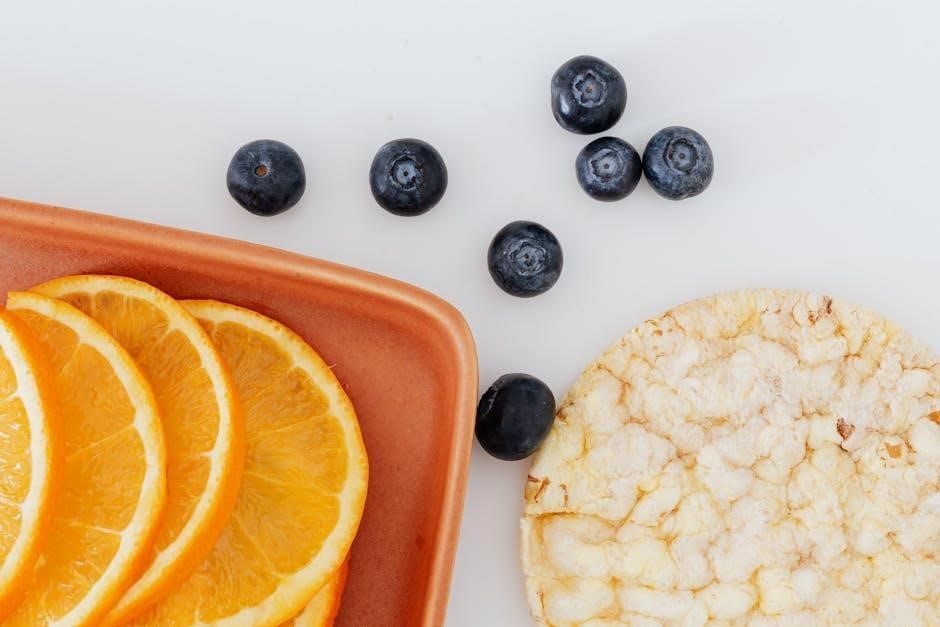
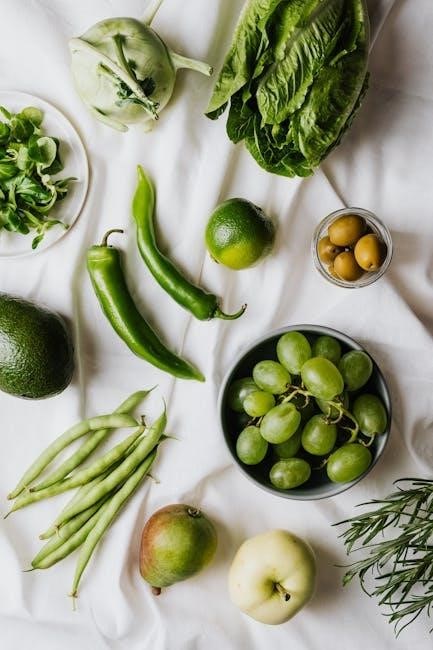
Selecting fruits on a low histamine diet requires careful consideration‚ as histamine levels vary significantly. Generally‚ freshly picked or immediately frozen fruits are preferable‚ as histamine builds up over time during storage and ripening. Excellent choices include apples (particularly green apples)‚ pears‚ and melon varieties like honeydew and cantaloupe. Blueberries‚ though sometimes tolerated in small amounts‚ should be introduced cautiously during the reintroduction phase.
Avoid citrus fruits like oranges‚ lemons‚ and grapefruits‚ as they are typically high in histamine. Strawberries‚ bananas‚ and pineapple are also best avoided initially. Remember that individual tolerance levels differ‚ so keeping a detailed food diary to track symptoms is crucial. Prioritize consuming fruits as soon as possible after preparation to minimize histamine formation. Opting for organic options can also reduce exposure to potential histamine-releasing chemicals.
Low Histamine Vegetables
Choosing low histamine vegetables is vital for success with the diet. Freshly harvested vegetables are best‚ with frozen options being a good second choice. Safe bets include asparagus‚ broccoli‚ cauliflower‚ carrots‚ and lettuce (especially romaine and butter lettuce). Root vegetables like sweet potatoes and parsnips are generally well-tolerated. Leafy greens‚ while nutritious‚ can be problematic; choose carefully and monitor for reactions.
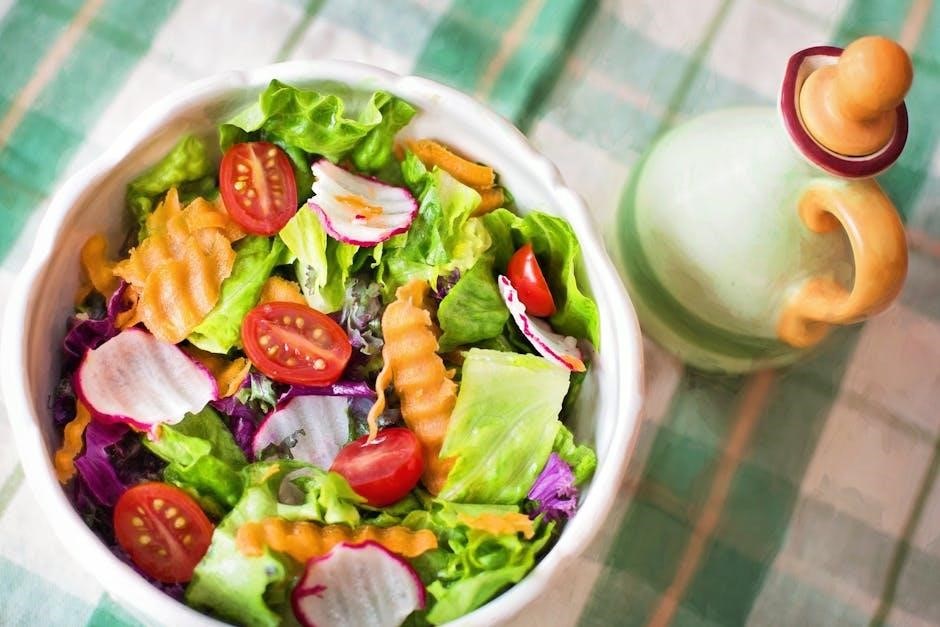
Avoid high-histamine vegetables such as spinach‚ tomatoes‚ eggplant‚ and avocado. Pickled or fermented vegetables are also off-limits. As with fruits‚ individual tolerance varies‚ so a food diary is essential. Prepare vegetables immediately before eating and avoid leftovers. Organic produce minimizes exposure to chemicals that could exacerbate histamine issues. Remember‚ freshness is key to keeping histamine levels low.
Low Histamine Proteins (Freshly Cooked Meat & Poultry)
Prioritizing freshly cooked meat and poultry is paramount on a low histamine diet. Histamine levels increase significantly with time‚ so consume proteins immediately after cooking. Opt for organic‚ grass-fed options whenever possible to minimize potential additives. Chicken and turkey are generally well-tolerated‚ but ensure they are cooked thoroughly and consumed promptly. Freshly caught fish‚ like cod or haddock‚ can also be included.
Avoid processed meats‚ aged meats‚ and leftovers. Cured meats like bacon and sausage are high in histamine. Freezing meat can slow histamine formation‚ but it’s best to cook and eat it soon after thawing. Individual tolerance varies‚ so monitor your body’s response. Consider lamb and venison as potential options‚ but always prioritize freshness and immediate consumption.
Low Histamine Grains & Pseudo-Grains
Selecting appropriate grains and pseudo-grains is crucial for a successful low histamine diet. White rice is generally considered a safe option‚ being low in naturally occurring histamine and easily digestible. Quinoa‚ while a pseudo-grain‚ is often well-tolerated when freshly cooked. Buckwheat is another potential choice‚ offering nutritional benefits without significant histamine load.
However‚ avoid ancient grains like spelt or kamut‚ as they can contribute to histamine issues. Similarly‚ wheat‚ especially if not freshly milled‚ should be limited due to potential fermentation during processing. Oats are a grey area; some individuals tolerate them well‚ while others experience symptoms. Always opt for pure‚ uncontaminated sources and monitor your individual response carefully. Freshly cooked is always best!
Low Histamine Fats & Oils
Choosing the right fats and oils is vital on a low histamine diet‚ as some can significantly impact histamine levels. Olive oil‚ particularly extra virgin‚ is generally well-tolerated and provides healthy fats. Coconut oil is another excellent option‚ being stable and low in histamine-promoting compounds. Avocado oil is also a good choice‚ offering a mild flavor and beneficial nutrients.
However‚ avoid aged or infused oils‚ as the aging process can increase histamine content. Flaxseed oil should be used cautiously‚ as it can sometimes cause issues. Steer clear of processed vegetable oils and margarine‚ which often contain additives and may contribute to inflammation. Freshness is key; store oils properly to prevent oxidation and histamine formation.
High Histamine Foods: What to Avoid
Steer clear of fermented‚ aged‚ and processed foods; spinach‚ tomatoes‚ eggplant‚ citrus‚ strawberries‚ and bananas often exacerbate symptoms due to histamine content.
Fermented Foods (Sauerkraut‚ Yogurt‚ Cheese)
Fermented foods‚ while often lauded for their probiotic benefits‚ are generally high in histamine and should be avoided during the initial elimination phase of a low histamine diet. The fermentation process itself naturally increases histamine levels within the food. This includes popular items like sauerkraut‚ kimchi‚ yogurt‚ kefir‚ kombucha‚ and various types of pickles.
Similarly‚ most cheeses‚ particularly aged varieties‚ contain significant amounts of histamine. This is due to the bacterial activity involved in the cheese-making and aging processes. Hard cheeses like cheddar‚ parmesan‚ and blue cheese are especially problematic. Even seemingly milder cheeses like brie and camembert should be limited or avoided.
It’s crucial to remember that histamine levels can vary even within the same type of fermented food‚ depending on the specific fermentation method and duration. Therefore‚ strict avoidance is recommended during the elimination phase to accurately assess your tolerance.
Aged Foods (Aged Cheeses‚ Cured Meats)
Aged foods represent a significant source of histamine and are typically excluded from a low histamine diet. The aging process‚ whether it applies to cheeses or meats‚ allows for bacterial growth and enzymatic activity that dramatically increases histamine concentrations. Aged cheeses‚ like cheddar‚ parmesan‚ and gouda‚ develop high histamine levels over time‚ making them problematic for sensitive individuals.
Cured meats‚ such as salami‚ pepperoni‚ prosciutto‚ and bacon‚ also undergo processes that boost histamine content. These methods often involve fermentation‚ salting‚ and drying‚ all of which contribute to histamine formation. Even seemingly less processed meats like sausages can be high in histamine due to added preservatives and aging.
Strict avoidance of aged and cured foods is vital during the elimination phase to determine your individual histamine tolerance. Freshly prepared and consumed meats are preferred alternatives.

Processed Foods & Additives
Processed foods frequently contain hidden histamine or histamine-releasing additives‚ making them a considerable challenge on a low histamine diet. Many commercially prepared meals‚ snacks‚ and convenience items include preservatives‚ artificial colors‚ and flavor enhancers that can trigger reactions in sensitive individuals. Histamine can form during processing and storage‚ even if the original ingredients are low in histamine.
Common culprits include vinegar‚ soy sauce‚ spinach‚ and tomato-based products‚ often found in sauces‚ dressings‚ and pre-made meals. Additives like benzoates and sulfites are known histamine liberators‚ exacerbating symptoms. Even seemingly innocuous items like packaged soups and frozen dinners can be problematic.
Prioritizing whole‚ unprocessed foods and preparing meals from scratch is crucial for minimizing histamine intake and identifying potential triggers.
Certain Vegetables (Spinach‚ Tomatoes‚ Eggplant)
While vegetables are generally healthy‚ some contain naturally high levels of histamine or act as histamine liberators‚ requiring caution on a low histamine diet. Spinach‚ tomatoes‚ and eggplant are frequently problematic for individuals with histamine intolerance‚ often triggering adverse reactions.
Tomatoes‚ particularly when ripe or processed‚ accumulate significant histamine. Spinach‚ while nutrient-rich‚ also exhibits relatively high histamine content. Eggplant‚ belonging to the nightshade family‚ can contribute to inflammation and histamine release in sensitive individuals. The histamine content in these vegetables can vary based on ripeness‚ storage‚ and preparation methods.
Freshly cooked or frozen alternatives‚ like broccoli‚ cauliflower‚ or carrots‚ are generally better tolerated. Careful observation of individual tolerance is key.
Certain Fruits (Citrus Fruits‚ Strawberries‚ Bananas)
Fruits‚ while often considered healthy‚ can pose challenges on a low histamine diet due to their varying histamine levels and potential to trigger reactions. Citrus fruits like oranges‚ lemons‚ and grapefruits are generally high in histamine and often poorly tolerated by sensitive individuals. Strawberries‚ despite their popularity‚ also contain significant histamine and can cause symptoms.
Bananas‚ especially when overripe‚ exhibit increased histamine levels. The ripening process naturally elevates histamine content in many fruits. Individual tolerance varies‚ but these fruits are common culprits for histamine-related issues. Opting for lower-histamine fruits like apples‚ pears‚ or blueberries is often recommended during the elimination phase.
Freshness is crucial; consume fruits promptly after purchase to minimize histamine build-up.
Implementing the Diet: A Step-by-Step Guide
Begin with a temporary elimination of high-histamine foods‚ then slowly reintroduce them‚ carefully monitoring for returning symptoms to personalize your dietary adjustments.
Elimination Phase (Duration & Focus)
The initial elimination phase of the low histamine diet typically spans two to three weeks‚ though individual durations may vary based on symptom severity and personal response. During this period‚ strict adherence to a low-histamine food list is paramount. The primary focus is to drastically reduce histamine intake‚ allowing the body to calm down and reduce the overall histamine burden.
This isn’t merely about avoiding high-histamine foods; it’s also about prioritizing freshness. Consume foods as soon as possible after purchase or preparation‚ as histamine levels increase with time. Leftovers should be minimized or frozen immediately. The goal is to provide a ‘clean slate’ for your body‚ minimizing histamine exposure to assess your baseline and identify trigger foods later. Remember to continue avoiding other known food sensitivities concurrently for optimal results.
Reintroduction Phase (Testing Tolerance)
Following the elimination phase‚ the reintroduction phase begins – a crucial step to pinpoint individual histamine triggers and determine your personal tolerance levels. Introduce one new food‚ from the ‘avoid’ list‚ every three to seven days‚ starting with small portions. Meticulously monitor for any returning symptoms‚ such as headaches‚ skin reactions‚ digestive issues‚ or neurological effects.
Keep a detailed food diary‚ noting the food reintroduced‚ the quantity consumed‚ and any subsequent symptoms experienced. If a reaction occurs‚ remove the food immediately and wait until symptoms subside before testing another. If no reaction is noted‚ the food can be cautiously incorporated into your diet. This methodical approach validates histamine intolerance and guides tailored dietary adjustments for long-term management.
Food Diary & Symptom Tracking
Maintaining a comprehensive food diary alongside meticulous symptom tracking is paramount throughout both the elimination and reintroduction phases of the low histamine diet. Record everything you consume‚ including ingredients‚ portion sizes‚ and the time of day. Simultaneously‚ document any symptoms experienced – be specific about their nature‚ severity‚ and the time they appear relative to food intake.
This detailed record allows you to identify potential correlations between specific foods and your reactions. Note even seemingly unrelated symptoms‚ as histamine intolerance can manifest diversely. Consistent tracking provides invaluable data for understanding your individual triggers and refining your dietary approach. It’s also beneficial to share this diary with your healthcare professional for personalized guidance.

Beyond Food: Other Histamine Considerations
Addressing environmental factors like mold and dust‚ alongside mast cell stabilizers and medication impacts‚ is crucial for comprehensive histamine management beyond dietary adjustments.
Mast Cell Stabilizers
Alongside the low histamine diet‚ incorporating mast cell stabilizers can significantly alleviate symptoms for individuals experiencing histamine intolerance and conditions like MCAS. These stabilizers work by reducing the release of histamine and other mediators from mast cells‚ thereby lessening the inflammatory response. Common options include quercetin‚ luteolin‚ and vitamin C‚ often available as supplements.
However‚ it’s vital to consult with a healthcare professional before starting any new supplement regimen‚ as dosages and potential interactions with existing medications need careful consideration. Some individuals also find relief with prescription mast cell stabilizers‚ but these require a doctor’s evaluation and monitoring. Remember‚ mast cell stabilizers aren’t a replacement for the diet‚ but rather a complementary approach to managing histamine levels and improving overall well-being. Finding the right combination of dietary changes and stabilization techniques is key.
Environmental Histamine Sources (Mold‚ Dust)
Beyond dietary considerations‚ recognizing and minimizing environmental histamine sources is crucial for comprehensive management of histamine intolerance. Mold‚ a common indoor allergen‚ can release significant amounts of histamine into the air‚ exacerbating symptoms. Similarly‚ dust mites and their waste products contribute to histamine load‚ particularly in bedrooms.
Regular and thorough cleaning‚ including HEPA filter vacuuming and damp dusting‚ can help reduce these triggers. Maintaining low humidity levels (below 50%) inhibits mold growth. Air purifiers with HEPA filters can also effectively remove airborne histamine and allergens. Addressing water leaks promptly prevents mold proliferation. Furthermore‚ consider hypoallergenic bedding and minimizing upholstered furniture to reduce dust mite accumulation‚ creating a cleaner‚ healthier indoor environment.
Medications & Histamine Release
Numerous medications can directly or indirectly influence histamine levels within the body‚ potentially worsening symptoms for those with histamine intolerance. Certain drugs‚ like nonsteroidal anti-inflammatory drugs (NSAIDs) and some antibiotics‚ can trigger mast cell degranulation‚ releasing histamine. Others‚ such as opioids and certain heart medications‚ may inhibit histamine breakdown‚ leading to accumulation.
It’s vital to review all medications – prescription‚ over-the-counter‚ and supplements – with a healthcare professional. Discuss potential histamine-releasing or histamine-blocking effects. Exploring alternative medications with lower histamine impact may be possible. Never discontinue medication without medical guidance. Understanding these interactions is crucial for effectively managing histamine intolerance alongside necessary medical treatments‚ optimizing overall well-being.
Resources & Further Information
Explore recommended websites‚ blogs‚ and books for in-depth knowledge; consult a healthcare professional specializing in histamine intolerance for personalized guidance and support.
Recommended Websites & Blogs
Embarking on a low histamine journey necessitates reliable resources‚ and thankfully‚ several excellent online platforms offer comprehensive guidance. For detailed diet plans and symptom tracking tools‚ consider exploring websites dedicated to Mast Cell Activation Syndrome (MCAS) and histamine intolerance. These often feature downloadable PDFs outlining permitted and restricted foods‚ alongside meal ideas.
Blogs authored by individuals successfully managing histamine intolerance can provide invaluable practical tips and personal experiences. Look for blogs that emphasize freshness‚ proper food storage‚ and the importance of identifying individual triggers. Be cautious and critically evaluate information‚ prioritizing sources with a strong scientific basis or those recommended by healthcare professionals. Remember to cross-reference information and always prioritize your individual needs and tolerances. Several patient-led communities also offer forums for support and shared knowledge.
Books on Histamine Intolerance
Delving into the world of histamine intolerance often benefits from the in-depth knowledge found within dedicated books; Several publications offer comprehensive guides to understanding the condition‚ implementing a low-histamine diet‚ and identifying potential triggers. Look for books authored by medical professionals or registered dietitians specializing in MCAS and related disorders.
These resources frequently include detailed food lists‚ sample meal plans (often available as downloadable PDFs)‚ and guidance on navigating the reintroduction phase. Beyond dietary advice‚ many books explore the underlying causes of histamine intolerance and potential treatment options. Consider titles that address mast cell stabilization and offer practical strategies for managing symptoms. Remember to check publication dates to ensure the information reflects current research and dietary recommendations. Patient stories can also provide valuable insights and encouragement.
Finding a Healthcare Professional
Embarking on a low-histamine diet‚ particularly with underlying conditions like MCAS or ME/CFS‚ strongly benefits from professional guidance. Seeking a healthcare provider knowledgeable in histamine intolerance is crucial for accurate diagnosis and personalized treatment plans. Functional medicine doctors‚ allergists‚ and registered dietitians specializing in mast cell disorders are excellent starting points.
Look for practitioners who understand the complexities of histamine metabolism and are willing to collaborate with you on dietary modifications. They can help identify individual triggers‚ rule out other potential causes of your symptoms‚ and monitor your progress. A healthcare professional can also assist with interpreting food sensitivity testing and recommending appropriate supplements or medications. Don’t hesitate to ask about their experience with low-histamine protocols and their approach to patient care – a PDF diet plan is a starting point‚ not a complete solution.