
NikonClub․it is a web platform dedicated to technical and photographic discussions, Nikon user meetings, and much more! It serves the needs of its members․
What is the Nikon D3300?
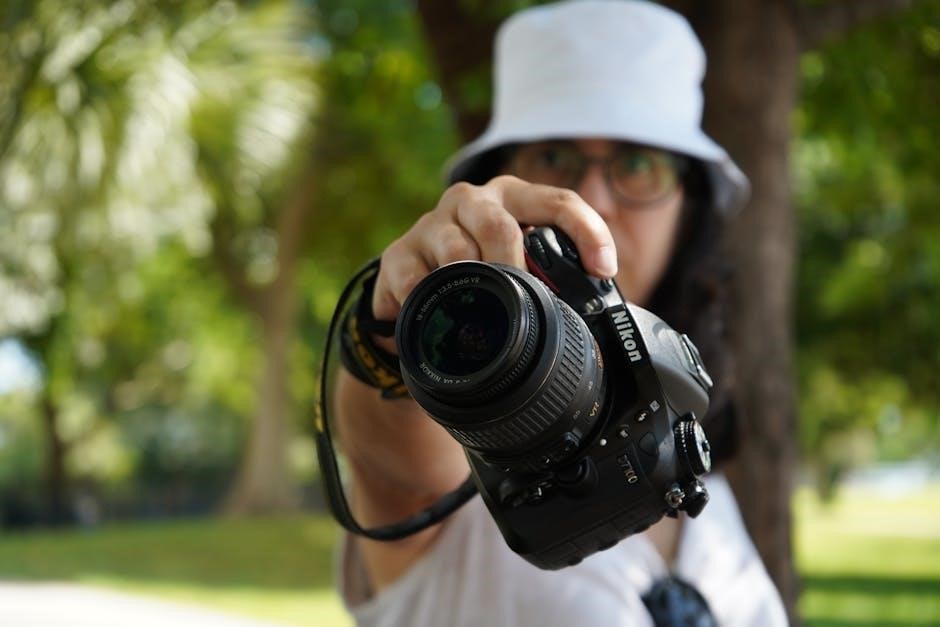
The Nikon D3300 is a digital SLR camera designed for both beginners and enthusiasts seeking a step up from point-and-shoot cameras․ NikonClub․it highlights its role within the Nikon ecosystem, serving as a central hub for Nikon users to connect and share knowledge․ This camera is a gateway into the world of interchangeable lenses and manual controls, offering greater creative flexibility․
The online community, Nikon Club Ufficiale, emphasizes the camera’s place within a broader culture of photographic learning and appreciation for Nikon products․ It’s a platform where users can discuss techniques, troubleshoot issues, and participate in meetings and gatherings․ The D3300, therefore, isn’t just a camera; it’s an entry point into a vibrant and supportive community․
Key Features and Specifications
The Nikon Club Ufficiale community frequently discusses the importance of proper file management with Nikon cameras․ Specifically, copying the Nikon folder – as it is – from a card reader to a pre-formatted CF card is a common topic․ This suggests a focus on data integrity and workflow․
While specific specifications aren’t detailed in the provided text, the emphasis on file transfer and card formatting indicates a camera capable of capturing substantial image data․ The community’s active status, with over 1․3 million messages and 50,000 users (as of a recent statistic), demonstrates ongoing engagement with Nikon products and their features․ The forum’s longevity, dating back to 2008, further underscores its relevance․
Target Audience for this Camera
Based on the provided information, the Nikon Club community appears to cater to a diverse range of Nikon enthusiasts, from beginners seeking “Primi Passi” (first steps) guidance to experienced photographers engaging in “Tecniche Fotografiche” (photographic techniques)․ The forum’s existence since 2008 suggests a loyal and long-term user base․
The active discussions and large membership indicate a target audience interested in maximizing their Nikon equipment․ The emphasis on file management and troubleshooting suggests users who value control over their photographic process․ The community’s focus on meetings and gatherings (“Incontriamoci”) points to a desire for shared learning and collaboration amongst Nikon users of all levels․
Getting Started with Your D3300
Nikon Club Ufficiale, established in 2008, is a community for Nikon users, offering a platform for photographic culture and product discussions․
Unboxing and Initial Setup
Upon receiving your Nikon D3300, carefully open the box and verify all included components are present․ These typically include the camera body, a kit lens, battery, battery charger, USB cable, and various manuals and documentation․ Before proceeding, inspect each item for any physical damage sustained during shipping․
To begin the setup process, locate the battery compartment and insert the provided battery, ensuring correct polarity․ Next, insert a compatible memory card (SD card recommended) into the designated slot․ The Nikon Club community emphasizes correctly formatting the card in the camera using a card reader for optimal performance․ Familiarize yourself with the camera’s basic layout and controls, referencing the included documentation for guidance․ This initial setup prepares your D3300 for its first photographic adventure!
Inserting the Battery and Memory Card
Locate the battery compartment on the Nikon D3300, usually found at the bottom of the camera․ Gently slide the latch to open it and insert the EN-EL14a battery, ensuring the contacts align correctly․ Securely close the latch to prevent accidental dislodgement during use․
Next, insert a compatible SD memory card into the card slot, typically located on the side of the camera․ Push the card in until it clicks into place․ Nikon Club Ufficiale recommends copying the Nikon folder from a card, formatted in the camera, to a CF card using a card reader․ This ensures compatibility and proper functionality․ Proper insertion of both the battery and memory card are crucial for powering and storing your images․
Charging the Battery
To charge the EN-EL14a battery, connect the supplied power adapter to the DC IN jack on the Nikon D3300․ Plug the adapter into a standard wall outlet․ The camera’s charging indicator light will illuminate, typically displaying red while charging and turning off or changing color when fully charged․
Nikon Club Ufficiale emphasizes the importance of using the original Nikon charger to avoid damaging the battery․ Charging times vary, but a full charge usually takes a few hours․ Ensure the camera is switched off during charging․ Proper battery maintenance, including avoiding extreme temperatures, will prolong its lifespan and ensure reliable performance during your photography sessions․
Understanding the Camera Controls
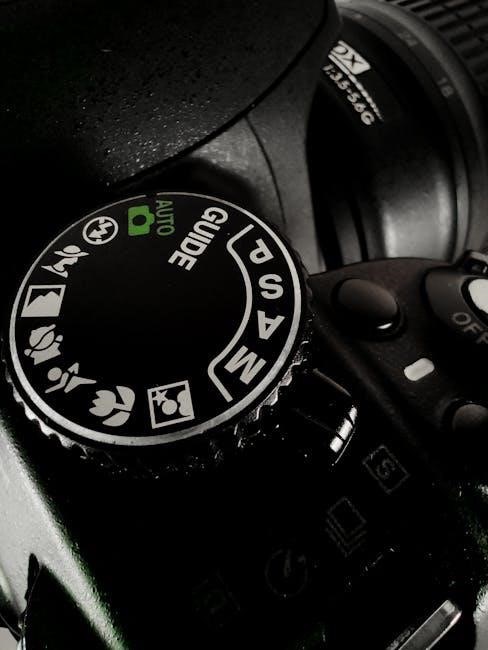
NikonClub․it fosters a community focused on technical photographic discussion and Nikon products․ Familiarizing yourself with the D3300’s controls is crucial․ The mode dial selects shooting modes (Auto, Program, Aperture Priority, Shutter Priority, Manual)․ The directional pad navigates menus and selects autofocus points․
Key buttons include the shutter release, the command dial for adjusting settings, and the function (Fn) button for quick access to frequently used features․ Understanding these controls, as discussed within the Nikon community, allows for greater creative control and efficient operation of the camera, enhancing your photographic experience․
Shooting Modes Explained
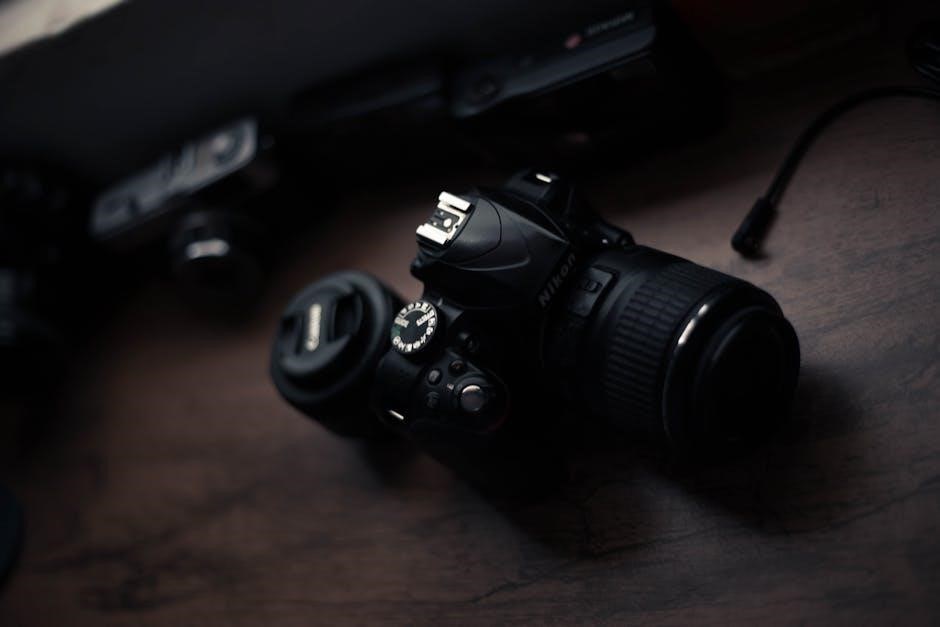
NikonClub․it supports Nikon enthusiasts exploring photographic techniques․ The D3300 offers various modes, from fully automatic settings to complete manual control for experienced users․
Auto Mode for Beginners
For those new to DSLR photography, the Nikon D3300’s Auto mode is an excellent starting point․ This mode simplifies the shooting process by automatically selecting the optimal settings – aperture, shutter speed, ISO, and white balance – based on the scene․
Essentially, the camera does all the technical work, allowing you to focus on composition and capturing the moment․ It’s ideal for everyday snapshots, portraits, and landscapes when you don’t have time to adjust settings manually․
NikonClub․it, a community for Nikon users, emphasizes learning and exploration․ While Auto mode is convenient, remember it limits creative control․ As you become more comfortable, exploring other modes will unlock the D3300’s full potential, allowing for personalized image creation․
Program Mode (P)
Program Mode (P) on the Nikon D3300 offers a step up from Auto, providing more control while still assisting with settings․ The camera automatically selects aperture and shutter speed, but allows you to adjust ISO, white balance, and exposure compensation․
This mode is beneficial when you want a balance between convenience and creative input․ You can influence the image’s brightness using exposure compensation, without directly manipulating aperture or shutter speed․
NikonClub․it fosters a learning environment for Nikon enthusiasts․ Program mode is a great transition point, bridging the gap between fully automatic shooting and more manual control․ It’s perfect for situations where you want some influence over the final image but don’t need complete manual control․
Aperture Priority Mode (A)
Aperture Priority Mode (A) on the Nikon D3300 lets you control the aperture, influencing depth of field, while the camera automatically sets the shutter speed․ A wider aperture (lower f-number) creates a shallow depth of field, blurring the background – ideal for portraits․ A narrower aperture (higher f-number) increases depth of field, keeping more of the scene in focus – suitable for landscapes․
This mode is excellent for creative control over your images․ NikonClub․it’s community provides a space to discuss aperture’s impact․ Remember to monitor the shutter speed to avoid motion blur or underexposure․
Exposure compensation remains available for fine-tuning brightness․ Mastering Aperture Priority unlocks significant creative potential․
Shutter Priority Mode (S)
Shutter Priority Mode (S) on the Nikon D3300 allows you to dictate the shutter speed, controlling motion blur․ Faster shutter speeds freeze action, perfect for sports or wildlife photography․ Slower shutter speeds create motion blur, useful for conveying movement or in low-light situations (with a tripod!)․
The camera automatically adjusts the aperture to achieve proper exposure․ NikonClub․it’s forum is a great resource for understanding shutter speed’s effects․ Be mindful of the resulting aperture value and its impact on depth of field․
Exposure compensation is still available for brightness adjustments․ Experimenting with Shutter Priority expands your photographic toolkit․
Manual Mode (M)
Manual Mode (M) grants complete creative control over both shutter speed and aperture on your Nikon D3300․ This mode requires a solid understanding of the exposure triangle – the interplay between aperture, shutter speed, and ISO․ It’s ideal for challenging lighting conditions or when you desire a specific artistic effect․
NikonClub․it’s community offers valuable insights into mastering manual settings․ You’ll need to adjust both settings independently to achieve proper exposure, utilizing the camera’s light meter as a guide․
Manual mode unlocks full potential, but demands practice and a grasp of photographic principles․
Focusing and Image Quality
NikonClub․it fosters photographic culture and Nikon product discussion, aiding users in understanding autofocus, ISO, white balance, and picture control settings․
Autofocus Modes and Points
NikonClub․it, a vibrant online community, emphasizes the importance of understanding your camera’s autofocus system for achieving sharp, captivating images․ The Nikon D3300 offers various autofocus modes tailored to different shooting scenarios․ Single-point AF is ideal for stationary subjects, allowing precise focus control․ Continuous AF excels when tracking moving objects, maintaining focus as they traverse the frame․
Auto-area AF lets the camera automatically select focus points, suitable for general photography․ The D3300 features 11 autofocus points, strategically positioned across the frame․ Mastering these points and modes, as discussed within the NikonClub․it forums, empowers photographers to consistently capture images with pinpoint accuracy and clarity, enhancing their overall photographic experience․
Understanding ISO Settings
NikonClub․it’s community frequently discusses the crucial role of ISO settings in digital photography․ ISO determines your camera’s sensitivity to light․ Lower ISO values (like 100) produce cleaner images with minimal noise, ideal for bright conditions․ However, in low light, increasing the ISO (e․g․, 800, 1600, or higher) allows for faster shutter speeds, preventing motion blur․
Be mindful that higher ISO settings introduce more digital noise, potentially impacting image quality․ The Nikon D3300’s sensor performs well at moderate ISO levels․ Experimenting with ISO, as encouraged within NikonClub․it discussions, helps photographers balance brightness and image clarity, achieving optimal results in diverse lighting environments․
White Balance Adjustment
NikonClub․it members often share insights on achieving accurate colors with white balance․ White balance corrects color casts caused by different light sources – sunlight, shade, fluorescent, or incandescent․ The Nikon D3300 offers several preset white balance modes for common scenarios․
Auto White Balance (AWB) is convenient, but can sometimes be inaccurate․ Custom white balance allows you to manually set the correct color temperature using a gray card or white object․ Proper white balance ensures that whites appear white, and all other colors are rendered naturally․ Experimentation, as discussed on NikonClub․it, is key to mastering this essential setting for realistic and pleasing images․
Picture Control Settings
NikonClub․it forums frequently discuss the impact of Picture Control settings on image aesthetics․ These settings allow you to customize the look of your photos directly in-camera, influencing sharpness, contrast, brightness, saturation, and hue․ The D3300 offers Standard, Neutral, Vivid, Monochrome, Portrait, Landscape, and Flat Picture Controls․
Standard is a versatile all-purpose setting․ Vivid boosts colors for striking images, while Landscape enhances blues and greens․ Portrait softens skin tones․ Users on NikonClub․it recommend experimenting with these presets and creating custom Picture Controls to achieve a unique visual style, tailoring the camera’s output to their preferences․
Navigating the Menu System
NikonClub․it highlights the importance of understanding the menu for customization․ The platform emphasizes settings for date, time, and language adjustments within the setup menu․
Customizing Camera Settings
NikonClub․it, a vibrant online community for Nikon enthusiasts, underscores the significance of tailoring your D3300 to your individual photographic style․ The platform suggests exploring the extensive menu system to unlock the camera’s full potential․ This includes adjusting settings related to image quality, autofocus performance, and overall camera behavior․
Users are encouraged to delve into the setup menu to personalize elements like date, time, and language preferences․ Furthermore, the community emphasizes the value of understanding how different settings interact to achieve desired results․ Regularly revisiting and refining these customizations ensures the D3300 consistently delivers images that align with your creative vision․ The forum provides a space to discuss optimal settings and share experiences with fellow Nikon users․
Setting Date, Time, and Language
NikonClub․it highlights the importance of accurately configuring the date, time, and language settings on your Nikon D3300․ These foundational settings are crucial for proper file organization and metadata tagging, ensuring your photos are easily searchable and chronologically ordered; Accessing these options is typically found within the camera’s setup menu, a central hub for personalization․
Correctly setting the date and time also enables features like time-lapse photography and accurate EXIF data recording․ The community emphasizes that selecting your preferred language enhances the user experience, making the menu navigation and display more intuitive․ Proper configuration from the start streamlines your workflow and maximizes the camera’s functionality․
Understanding the Setup Menu
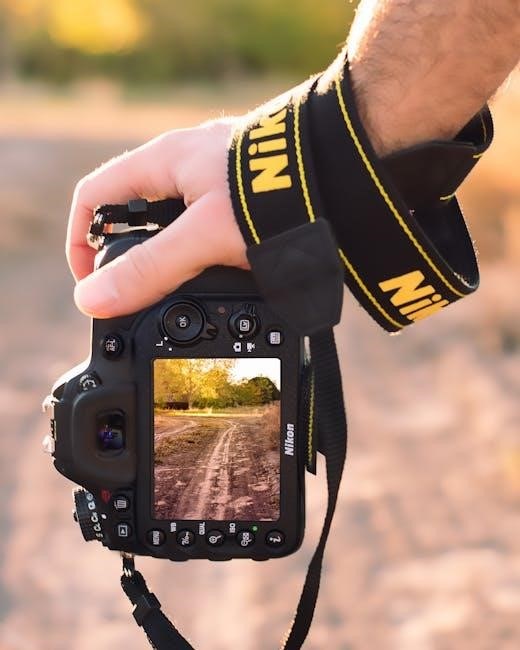
NikonClub․it positions the Setup menu as the central control panel for customizing your Nikon D3300․ This menu, accessible through the camera’s interface, allows for detailed adjustments to various camera functions․ It’s where you’ll find options for formatting memory cards, selecting display settings, and configuring the camera’s overall behavior․
The community stresses the importance of carefully navigating this menu, as incorrect settings can impact image quality or camera operation․ Familiarizing yourself with each option—from file naming conventions to USB connection settings—is key to unlocking the D3300’s full potential․ It’s a place for advanced users to fine-tune their experience․
Advanced Features and Techniques
NikonClub․it highlights the Nikon D3300’s community focus, dedicated to photographic culture and Nikon products, fostering shared knowledge and techniques amongst users․
Using Live View
NikonClub․it, the official Nikon community, emphasizes a culture of photographic exploration and product understanding․ While specific details regarding Live View functionality on the D3300 aren’t directly provided in the snippets, the platform’s core ethos suggests a collaborative approach to mastering such features․
Users likely share experiences and tips on utilizing Live View for precise composition, magnified viewing for critical focus, and creative shooting angles․ The community aspect encourages learning from others’ successes and troubleshooting potential challenges․ The forum’s dedication to Nikon products implies resources and discussions dedicated to maximizing the D3300’s capabilities, including its Live View mode․ Expect discussions on optimizing settings for various shooting scenarios․
Exploring the Effects Mode
NikonClub․it, as a dedicated Nikon community, fosters a space for photographers to share knowledge and techniques․ Though the provided text doesn’t detail the D3300’s Effects Mode specifically, the platform’s focus on photographic culture suggests ample discussion surrounding creative options․
Members likely exchange insights on utilizing the various built-in effects to achieve unique artistic styles․ Expect conversations on the practical applications of each effect, optimal settings for different scenes, and comparisons of results․ The community’s emphasis on technical discussion implies detailed explorations of how these effects impact image quality and overall aesthetic․ Users probably share examples and tutorials, enhancing understanding and inspiring creativity․
Working with Flash
NikonClub․it, a vibrant Nikon community, likely hosts extensive discussions regarding flash photography with the D3300․ While the provided snippets don’t directly address flash functionality, the platform’s dedication to photographic culture suggests a wealth of shared knowledge․
Expect detailed threads on utilizing the built-in flash, external flash units, and flash modes․ Members probably debate the benefits of different flash settings for various shooting scenarios, including portraiture, landscapes, and low-light conditions․ Discussions likely cover techniques for minimizing red-eye, balancing flash with ambient light, and achieving creative lighting effects․ The community’s technical focus implies in-depth analysis of flash synchronization and power control․
Understanding Image Stabilization
NikonClub․it, as a dedicated Nikon community, almost certainly features discussions about image stabilization technologies relevant to the D3300․ Though the provided text doesn’t explicitly mention image stabilization, the forum’s focus on photographic techniques suggests ample resources․
Users likely share experiences and tips on maximizing the benefits of lens-based Vibration Reduction (VR) – Nikon’s image stabilization system․ Expect threads analyzing VR modes, their effectiveness at different focal lengths, and potential drawbacks․ Discussions probably cover scenarios where VR is most beneficial, such as handheld shooting in low light or using telephoto lenses․ The community’s technical bent implies detailed analysis of VR performance and its impact on image sharpness․

Connectivity and Transferring Photos
NikonClub․it provides a community forum where users likely discuss connecting the D3300 to computers and utilizing Nikon’s software for photo transfer and editing․
Connecting to a Computer
Based on discussions within the NikonClub․it community, transferring photos from your Nikon D3300 to a computer involves a straightforward process․ The forum suggests copying the Nikon folder, containing your images, directly from a formatted CompactFlash (CF) card using a card reader․
This method ensures compatibility and avoids potential issues with direct camera connections․ Users emphasize the importance of pre-formatting the CF card within the D3300 itself before transferring files․ This ensures the camera and computer recognize the card’s file system correctly․ The Nikon Club platform fosters a collaborative environment where members share tips and troubleshoot connectivity challenges, making it a valuable resource for D3300 users․
Using Wireless Transfer (if applicable)
Unfortunately, the provided text snippets from NikonClub․it do not contain specific information regarding wireless transfer capabilities for the Nikon D3300․ The discussions primarily focus on traditional file transfer methods utilizing card readers and direct computer connections via CF cards․
The forum emphasizes the importance of correctly formatting the CF card within the camera for seamless data transfer․ While the Nikon Club community is a rich resource for Nikon users, details about wireless functionality for this specific model aren’t present in the given excerpts․ Further research outside these sources would be needed to detail wireless transfer options․
Working with Nikon’s Software
The provided excerpts from NikonClub․it mention “Nikon Photo Lab” as a resource within the Nikon ecosystem․ However, detailed information regarding its functionality or other Nikon software compatible with the D3300 is absent․ The forum primarily centers around community discussions, technical support, and meeting arrangements for Nikon enthusiasts․
The emphasis lies on the platform itself – a space for Nikon users to connect and share knowledge․ While Nikon offers software solutions for image editing and organization, the provided text doesn’t elaborate on their specific features or integration with the D3300․ Additional resources would be necessary to fully explain Nikon’s software offerings․
Troubleshooting Common Issues
NikonClub․it’s forum provides a space for users to seek assistance with error messages, focus problems, and image quality concerns related to Nikon products․
Dealing with Error Messages
Encountering error messages on your Nikon D3300 can be frustrating, but often solvable․ NikonClub․it, a dedicated online community, serves as a valuable resource for Nikon users facing such issues․ The forum provides a platform where individuals can share experiences and seek guidance from fellow enthusiasts․
When an error message appears, carefully note the code displayed on the camera’s screen․ This code is crucial for identifying the specific problem․ Consulting the D3300’s manual, or searching the NikonClub․it forums using the error code, can often reveal the cause and a potential solution․ Common errors relate to the memory card, battery, or lens compatibility․ Remember to properly format the card within the camera itself, as suggested by forum discussions․
Fixing Focus Problems
If your Nikon D3300 struggles to achieve sharp focus, several factors could be at play․ The NikonClub․it community frequently discusses autofocus issues and potential remedies․ First, ensure your lens is clean and properly attached․ Verify you’ve selected an appropriate autofocus mode for your subject – single-point AF is ideal for stationary objects, while continuous AF suits moving subjects․
Check the focus point selection; ensure it’s positioned over the area you intend to be sharp․ If using autofocus consistently fails, try switching to manual focus to confirm if the lens itself is the problem․ The NikonClub․it forums also suggest checking for obstructions or low-contrast scenes that can hinder autofocus performance․
Addressing Image Quality Concerns
If you’re dissatisfied with your Nikon D3300’s image quality, several adjustments can be made․ The NikonClub․it community often shares tips for optimizing image output․ Begin by verifying your ISO setting; higher ISOs introduce more noise․ Ensure proper white balance is selected to achieve accurate colors․ Explore Nikon’s Picture Control settings to customize tone and sharpness․
Also, confirm you’re shooting in the appropriate file format – RAW offers greater editing flexibility than JPEG․ Remember to properly format your CompactFlash (CF) card within the camera, as suggested by NikonClub․it members, to ensure optimal data writing․ Regularly check lens cleanliness, as smudges can significantly impact image clarity․