
Catechesis demands a thoughtful blend of pedagogy and methodology, moving beyond simple instruction to genuine faith initiation, as explored in resources like the 2020 Directory.
The Importance of a Pedagogical Approach
A pedagogical approach in catechesis transcends mere doctrinal transmission; it necessitates understanding how individuals learn and internalize faith. Effective catechesis isn’t simply what is taught, but how it’s received and lived.
Resources emphasize that catechesis isn’t reduced to textbooks or values, but a personal initiation. This demands sensitivity to the learner’s stage, cultural context, and spiritual journey. Utilizing methods aligned with developmental psychology and learning theories is crucial for fostering genuine conversion and discipleship, ensuring faith becomes a lived reality.
Catechesis as a Process of Initiation
Catechesis is fundamentally a process of initiation into the Christian faith, a journey of growth rather than a one-time event. It’s about leading individuals to a deeper relationship with Christ and the Church, fostering a lifelong commitment to discipleship.
This initiation isn’t merely intellectual assent but a transformative experience encompassing the heart, mind, and spirit. The Catechesis of the Good Shepherd exemplifies this, nurturing spiritual life through biblical and liturgical foundations, guiding individuals toward a personal encounter with God.

Historical Development of Catechetical Methodology
Catechetical approaches evolved from early Church practices, through medieval traditions, and post-Reformation reforms, continually adapting to cultural and theological shifts over centuries.
Early Church Catechesis
Early Church catechesis, primarily for adult converts, emphasized a rigorous process of initiation. This wasn’t merely doctrinal instruction, but a comprehensive spiritual formation deeply rooted in Scripture and the lived experience of the early Christian community.
Methods included liturgical immersion, memorization of key texts, and intensive questioning by catechists. The focus was on transforming hearts and minds, preparing individuals for sacramental life. The Interdiocesan Catechetical Meetings reflect this historical emphasis on thorough preparation, mirroring the early Church’s dedication to forming disciples.
Medieval Catechetical Practices
Medieval catechesis largely occurred within the parish context, often centering on memorization of core beliefs – the Apostles’ Creed, Ten Commandments, and Sacraments. Instruction was frequently delivered through vernacular explanations, though literacy limitations posed challenges.
The focus shifted towards maintaining established faith rather than extensive conversion efforts. Pastoral approaches, as highlighted in Vida Pastoral, began to emerge, emphasizing practical application of faith to daily life. This period saw a gradual development of methods tailored to the common people’s understanding.
Post-Reformation Catechesis
Post-Reformation catechesis, spurred by the Protestant challenge, underwent significant reform within the Catholic Church. The Council of Trent (1545-1563) emphasized clear, systematic instruction, leading to the creation of standardized catechisms – notably, the Catechism of the Council of Trent.
This era prioritized apologetics, defending Catholic doctrine against Protestant critiques. Methods focused on rigorous questioning and rote learning. Simultaneously, a renewed emphasis on pastoral care, as seen in emerging publications, aimed to deepen faith understanding among the laity.
Key Principles of Catechetical Pedagogy
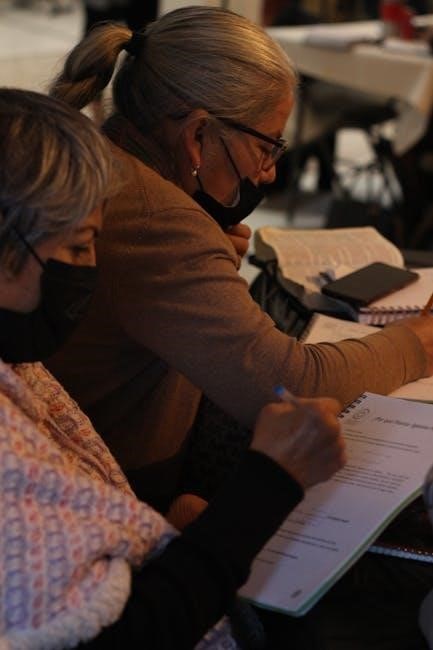
Catechetical pedagogy rests on anthropological and theological foundations, recognizing faith experience as central to initiation—it’s more than teaching doctrines.
The Anthropological Foundation
Understanding the learner is paramount; catechesis must acknowledge the unique developmental stages, cultural backgrounds, and lived experiences of each individual. This foundation recognizes humans as relational beings, naturally seeking meaning and connection.
Effective catechesis taps into this innate human desire, fostering a personal encounter with Christ. It avoids imposing abstract concepts, instead building upon existing knowledge and faith experiences. The anthropological approach emphasizes dialogue and active participation, respecting the learner’s autonomy and capacity for faith.
The Theological Basis of Catechesis
Catechesis is fundamentally rooted in the Paschal Mystery – Christ’s death and resurrection – and the Church’s mission to proclaim the Gospel. It’s not merely transmitting information, but initiating individuals into a living relationship with Jesus Christ and the community of faith.
This theological foundation demands that catechesis be Trinitarian, Christocentric, and Pneumatological. It aims for conversion of heart and a deepening of faith, guided by the Holy Spirit. The ultimate goal isn’t intellectual assent, but transformative discipleship.
The Role of Faith Experience
Genuine catechesis acknowledges and builds upon the lived faith experiences of individuals. It doesn’t begin with a blank slate, but recognizes pre-existing beliefs, questions, and spiritual journeys. These experiences serve as a crucial starting point for deeper understanding.
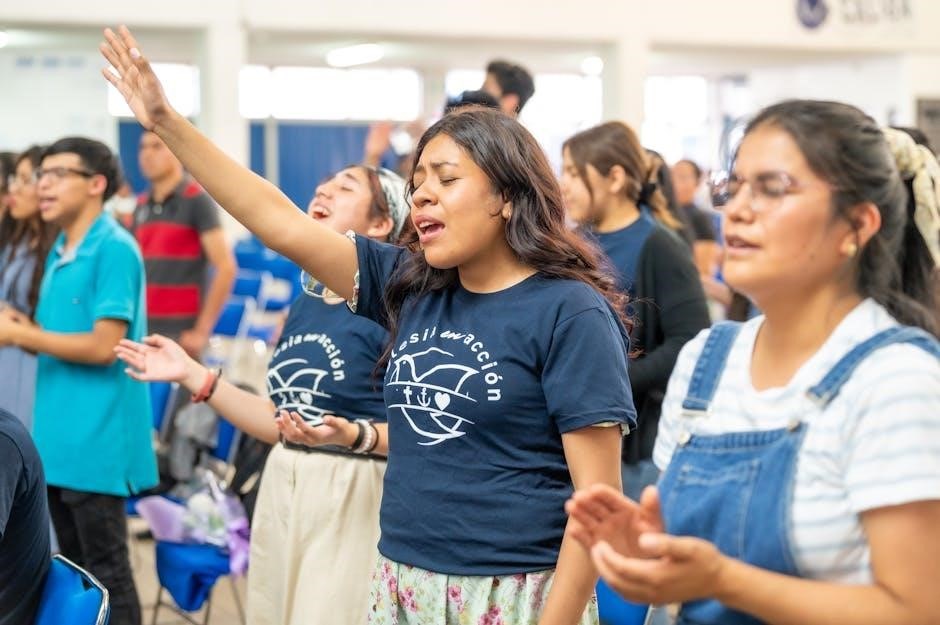
Effective methodology integrates personal testimonies, prayer, and liturgical celebrations, fostering an encounter with Christ. Catechesis should nurture a sense of belonging and encourage active participation, recognizing faith isn’t solely intellectual, but relational.
Modern Approaches to Catechetical Methodology
Contemporary catechesis embraces methods like the 2020 Directory, the Catechesis of the Good Shepherd, and adapts to challenges within religious education in schools.
The Directory for Catechesis (2020)
The 2020 Directory for Catechesis represents a pivotal document, offering guidance and certainty for addressing contemporary challenges in catechetical practice. It emphasizes that catechesis transcends mere doctrinal instruction or value formation, focusing instead on a deeply personal initiation into a relationship with Christ.
This directory encourages systematic reflection on religion and catechesis within educational settings, prompting a re-evaluation of approaches to effectively convey the faith. It serves as a foundational resource for modernizing methodologies and ensuring relevance in a changing world, advocating for a holistic and engaging experience.
The Catechesis of the Good Shepherd
The Catechesis of the Good Shepherd (CBP) provides a unique spiritual journey for children aged 3-12, deeply rooted in both Scripture and Liturgy. This approach centers on the child’s religious capacity, fostering a personal relationship with God through carefully prepared environments and materials.
CBP’s methodology is grounded in Maria Montessori’s principles, emphasizing observation and allowing children to absorb the faith through experiential learning. It respects the child’s innate spiritual potential, nurturing their understanding of God’s love and invitation to discipleship.
Religious Education in Schools: Challenges and Opportunities
Integrating religious education within secular school settings presents both significant challenges and valuable opportunities. A key issue involves navigating the complexities of religious diversity and maintaining respect for differing beliefs, while still conveying core tenets of faith.
The 2020 Directory for Catechesis highlights the need to systematize reflection on religion within educational centers. Successfully addressing this requires innovative pedagogical approaches, fostering dialogue, and ensuring catechesis complements broader academic goals.

Specific Methodological Techniques
Effective catechesis utilizes diverse techniques – storytelling, visual aids, and interactive activities – to engage learners and deepen their understanding of faith.
Storytelling in Catechesis
Storytelling serves as a powerful methodological tool, deeply resonating with human experience and facilitating faith transmission. It transcends mere information delivery, fostering emotional connection and imaginative engagement with sacred narratives.
This approach, rooted in the early Church’s oral traditions, allows complex theological concepts to become accessible and memorable. The Catechesis of the Good Shepherd exemplifies this, utilizing biblical stories to nurture a child’s spiritual life. Effective storytelling isn’t simply recounting events; it’s inviting listeners into the narrative, prompting reflection and personal meaning-making.
The Use of Visual Aids
Visual aids significantly enhance catechetical effectiveness, particularly when engaging diverse learners and age groups. Images, icons, videos, and artwork can illuminate abstract theological concepts, making them more concrete and relatable. They cater to different learning styles, boosting comprehension and retention.
Carefully selected visuals should complement, not distract from, the core message. Resources emphasize that these tools must be theologically sound and culturally sensitive. Integrating visual elements supports a dynamic learning environment, fostering deeper engagement with the faith.
Interactive Learning Activities
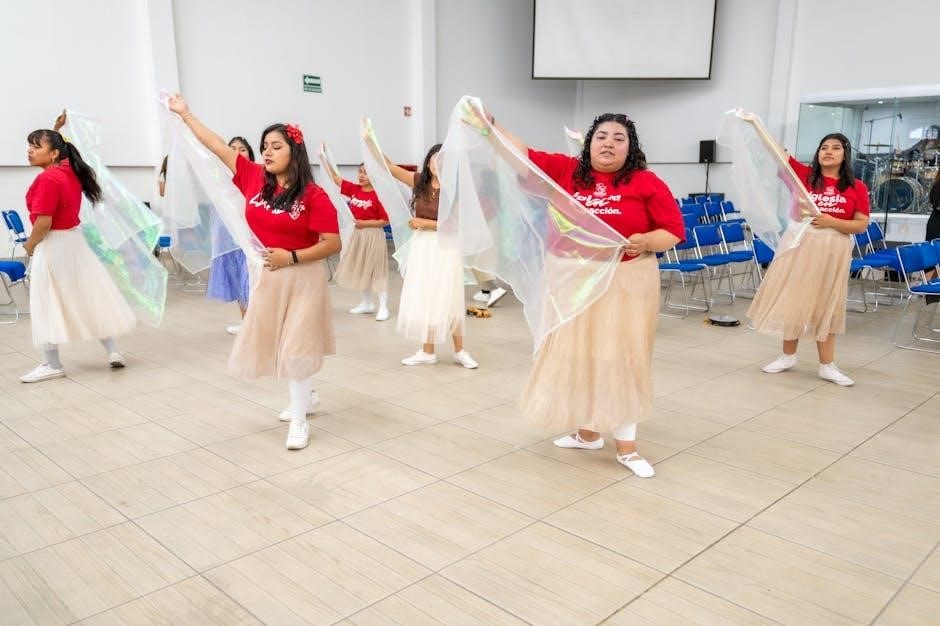
Interactive activities are crucial for vibrant catechesis, shifting the focus from passive reception to active participation. Discussions, role-playing, games, and group projects encourage learners to internalize faith concepts and apply them to their lives. These methods foster a sense of community and shared discovery.
Effective activities align with learning objectives and cater to diverse age groups. The goal is to create a dynamic environment where participants explore their faith through experience, dialogue, and collaborative learning, strengthening their understanding.
Adapting Methodology to Different Age Groups
Catechesis must be tailored to developmental stages; the Catechesis of the Good Shepherd exemplifies this, focusing on unique needs from childhood through adulthood.
Catechesis with Children (3-12 years)
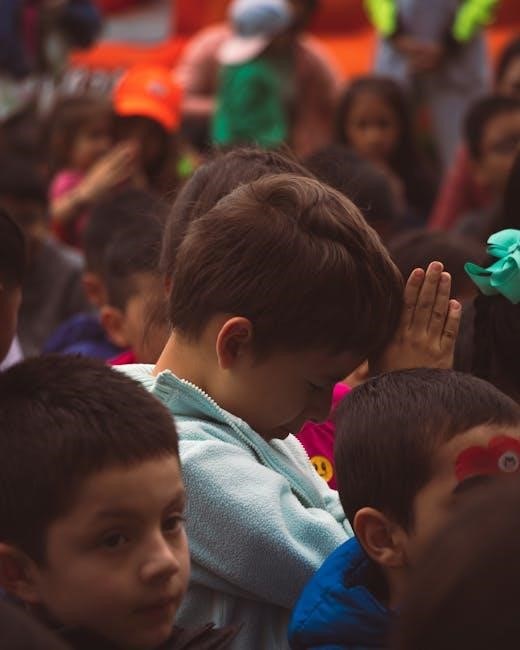
Early childhood catechesis (ages 3-12) necessitates a methodology deeply rooted in experiential learning and imaginative engagement. The Catechesis of the Good Shepherd provides a compelling model, emphasizing a child’s innate spiritual capacity and utilizing biblical and liturgical foundations.
This approach fosters a personal relationship with God through carefully prepared environments and presentations, allowing children to absorb faith through sensorial experiences rather than abstract concepts. Storytelling, visual aids, and interactive activities are crucial, nurturing a sense of wonder and inviting exploration of faith at their developmental level.
Catechesis with Adolescents
Catechesis for adolescents requires acknowledging their unique developmental stage – a period of questioning, searching for identity, and developing abstract thought. Traditional methods often fall short; a pedagogical shift towards dialogue, critical thinking, and real-life application is essential.
Engaging adolescents means addressing their concerns, fostering peer interaction, and connecting faith to their lived experiences. Utilizing contemporary issues, multimedia resources, and opportunities for service can make faith relevant and compelling, encouraging ownership of their spiritual journey.
Catechesis with Adults
Adult catechesis differs significantly, recognizing their life experiences, established beliefs, and varying levels of faith formation. Effective methodology prioritizes respectful dialogue, addressing intellectual and spiritual inquiries, and fostering a deeper understanding of core doctrines.
Adults benefit from opportunities for personal reflection, small group discussions, and practical application of faith to daily life. Resources like the Directory for Catechesis (2020) emphasize ongoing conversion and discipleship, moving beyond rote learning to a lived faith experience.
The Role of the Catechist
The effective catechist facilitates faith formation, embodying qualities of empathy, knowledge, and spiritual maturity, requiring continuous training and a synodal approach.
Qualities of an Effective Catechist
An impactful catechist possesses a deep personal faith, coupled with a genuine love for sharing the Gospel message. They demonstrate strong communication skills, adapting to diverse learning styles and age groups. Crucially, they are empathetic listeners, fostering a safe and welcoming environment for questions and exploration.
Furthermore, effective catechists exhibit ongoing commitment to formation, continually refining their pedagogical skills and theological understanding. They embrace a collaborative spirit, recognizing the importance of working within the broader parish community and the synodal path of the Church.
Formation and Ongoing Training
Robust formation for catechists is paramount, extending beyond initial training to encompass continuous professional development. Interdiocesan catechetical meetings and workshops provide valuable opportunities for skill enhancement and theological reflection. Access to resources – books, online materials, and publications – is essential for staying current with evolving methodologies.
This ongoing process ensures catechists are equipped to address contemporary challenges, like secularization and cultural diversity, effectively facilitating faith formation and adapting to the needs of diverse learners.
The Catechist as a Facilitator of Faith
The modern catechist transcends the role of a mere teacher, becoming a facilitator who guides individuals toward a deeper relationship with Christ. This involves creating environments conducive to faith experience and fostering participation and dialogue, aligning with the synodal path.
Effective facilitation requires sensitivity to diverse needs, employing interactive learning activities and adapting methodologies to different age groups, ensuring catechesis remains relevant and engaging.
Catechesis and the Synodal Path
Catechesis actively contributes to Church renewal by promoting participation, dialogue, and a collaborative spirit—essential elements within the current synodal journey.
Catechesis in the Context of Church Renewal
Contemporary catechesis isn’t merely about transmitting doctrine; it’s a vital force for ongoing Church renewal, deeply intertwined with the call to a new evangelization. It requires a shift towards fostering genuine faith experiences and encouraging active participation from all the faithful.
This necessitates methodologies that move beyond rote learning, embracing interactive approaches and adapting to diverse cultural contexts. The Directory for Catechesis (2020) emphasizes this need for dynamic, relevant catechetical programs that empower individuals to live out their faith authentically within the community.
Promoting Participation and Dialogue
Effective catechesis actively promotes participation and open dialogue, moving away from a teacher-centered model to one where learners contribute their experiences and questions. This fosters a sense of ownership and deeper engagement with the faith.
The synodal path calls for creating spaces where individuals feel comfortable sharing their beliefs and doubts, enriching the collective understanding of the Gospel. Utilizing interactive learning activities and encouraging respectful discussion are crucial elements in cultivating this participatory environment.

Evaluating Catechetical Effectiveness
Assessing learning outcomes and gathering participant feedback are vital for continuous improvement of catechetical programs, ensuring they remain relevant and impactful.
Assessing Learning Outcomes
Evaluating whether catechetical goals are met requires diverse methods beyond traditional testing. Observing behavioral changes, analyzing reflective journals, and facilitating group discussions offer richer insights into faith understanding.
Consider utilizing formative assessments throughout the process, providing ongoing feedback and adjusting teaching strategies. Summative evaluations, like projects or presentations, demonstrate comprehensive grasp of concepts.
Aligning assessments with established objectives, as highlighted in resources on catechetical pedagogy, ensures meaningful measurement of spiritual growth and knowledge acquisition.
Gathering Feedback from Participants
Actively soliciting input from those experiencing catechesis is crucial for program improvement. Anonymous surveys, focus groups, and informal conversations provide valuable perspectives on teaching effectiveness and content relevance.
Questions should explore clarity of presentation, engagement levels, and the impact on personal faith journeys. Analyzing this feedback reveals areas needing adjustment and strengthens the overall catechetical experience.
This participatory approach, central to modern catechetical methodology, fosters a sense of ownership and ensures programs remain responsive to the needs of the community.
Continuous Improvement of Catechetical Programs
Effective catechesis isn’t static; it requires ongoing evaluation and refinement. Utilizing gathered feedback, catechists should collaboratively analyze program strengths and weaknesses, identifying areas for growth and innovation.
This iterative process involves adapting methodologies, updating content to reflect current needs, and embracing new resources. Regular formation for catechists is vital, ensuring they remain current with best practices.
A commitment to continuous improvement ensures catechetical programs remain vibrant, relevant, and impactful in fostering faith formation.

Resources for Catechetical Formation
Numerous online resources, publications, and interdiocesan meetings support catechist development, aiding in the effective implementation of pedagogical and methodological principles.
Online Resources and Websites
Exploring digital platforms offers a wealth of support for catechetical leaders and practitioners. While specific PDF resources on “pedagogía y metodología en la catequesis” require focused searching, websites of dioceses and religious orders frequently host materials.
The Paulinos of Mexico’s Vida Pastoral journal, accessible online, provides insights into Christian education. Further investigation reveals resources from interdiocesan catechetical meetings, often summarized on diocesan websites.
Dedicated catechetical publishers also maintain online catalogs and supplementary materials, enhancing formation opportunities for those involved in faith formation ministries.
Books and Publications on Catechetical Pedagogy
While a direct “pedagogía y metodología en la catequesis pdf” may require specific searches, numerous publications underpin effective catechetical practice. Resources from the 2020 Directory for Catechesis offer foundational principles. Publications from the Paulinos, like Vida Pastoral, explore Christian education’s core themes.
Exploring texts detailing the Catechesis of the Good Shepherd provides insight into child-centered approaches. Further research into materials presented at interdiocesan catechetical encuentros will reveal valuable pedagogical insights.
These resources collectively support the ongoing formation of catechists and enhance program development.
Interdiocesan Catechetical Meetings and Workshops
Attending interdiocesan catechetical meetings, such as the one held in Guadix in September 2012, provides invaluable professional development. These workshops often focus on current pedagogical approaches and methodologies, though specific “pedagogía y metodología en la catequesis pdf” materials may be supplemental.
Such events facilitate the exchange of best practices among catechists, fostering collaborative learning and addressing contemporary challenges in faith formation.
They offer practical tools and insights for enhancing catechetical programs and deepening understanding of the Directory for Catechesis.

The Relationship Between Catechesis and Pastoral Ministry
Effective catechesis, informed by sound pedagogy and methodology, is integral to the New Evangelization and should be seamlessly integrated into broader parish life.
Catechesis as Part of the New Evangelization
Catechesis, revitalized by contemporary pedagogy and methodology, serves as a crucial component of the New Evangelization, initiating individuals into a deeper relationship with Christ.
It’s not merely about imparting doctrine, but fostering a living faith experience, responding to the challenges of secularization and religious indifference. The 2020 Directory emphasizes this renewed focus.
This involves adapting approaches to diverse age groups and cultural contexts, utilizing resources and ongoing formation for catechists to effectively facilitate faith journeys.
Integrating Catechesis into Parish Life
Effective catechesis, informed by sound pedagogy and methodology, shouldn’t exist in isolation but be woven into the fabric of parish life, enriching the entire community.
This integration requires collaborative efforts between catechists, clergy, and pastoral teams, fostering a welcoming environment for faith formation at all levels.
Utilizing resources and adapting to local needs, parishes can create dynamic programs that support lifelong discipleship and actively participate in the Church’s mission.
Challenges Facing Contemporary Catechesis
Contemporary catechesis faces hurdles like secularization, cultural diversity, and digital media’s impact, demanding innovative pedagogical approaches and adaptable methodologies.
Secularization and Religious Indifference
Secularization presents a significant challenge, fostering religious indifference and a diminished understanding of faith’s relevance. Effective catechesis must address this by presenting the Gospel in ways that resonate with contemporary experiences, moving beyond rote learning.
Innovative pedagogical approaches are crucial, emphasizing personal encounter with Christ rather than solely doctrinal instruction. Methodologies must actively engage individuals, fostering dialogue and addressing doubts, acknowledging the cultural shifts impacting belief systems. Resources, like those exploring updated catechetical practices, become vital tools.
Cultural Diversity and Inclusion
Catechesis must embrace cultural diversity, recognizing that faith is lived out uniquely within different contexts. A one-size-fits-all approach is ineffective; pedagogical sensitivity is paramount. Methodologies should incorporate diverse perspectives, stories, and artistic expressions.
Inclusive practices require acknowledging and valuing the cultural backgrounds of all participants, avoiding ethnocentric biases. Resources exploring culturally relevant catechesis are essential. This fosters a sense of belonging and ensures the Gospel’s message resonates authentically with every individual, promoting genuine faith formation.
The Impact of Digital Media
Digital media profoundly impacts contemporary catechesis, presenting both challenges and opportunities. Pedagogical approaches must adapt to engage a digitally native generation, utilizing online resources and interactive platforms effectively. However, mindful discernment is crucial.
Methodologies should leverage technology to enhance faith formation, not replace personal encounter. Concerns regarding screen time, misinformation, and superficial engagement require careful consideration. Resources exploring responsible digital catechesis are vital, fostering critical thinking and authentic spiritual growth within the digital landscape.
Future Trends in Catechetical Methodology
Future catechesis will prioritize discipleship, mission, and personalized learning, integrating technology to foster deeper faith experiences and engagement.
The Use of Technology in Catechesis
Technology presents both challenges and opportunities for modern catechesis. While acknowledging potential distractions, digital tools can significantly enhance learning and engagement. Online resources, websites, and interactive platforms offer access to a wealth of information and diverse learning styles.
Effective integration requires careful consideration of pedagogical principles, ensuring technology serves as a facilitator, not a replacement, for genuine human connection and faith formation. Utilizing digital storytelling, virtual tours of sacred sites, and interactive quizzes can deepen understanding and foster a more dynamic catechetical experience.
Personalized Catechetical Approaches
Personalized catechesis recognizes the unique faith journey of each individual, moving beyond a “one-size-fits-all” model. This approach necessitates understanding diverse learning styles, cultural backgrounds, and spiritual needs. Adapting content and delivery methods to resonate with individual experiences fosters deeper engagement and meaningful conversion.
Utilizing diagnostic assessments and ongoing feedback allows catechists to tailor instruction, providing targeted support and encouragement. Embracing differentiated instruction and offering varied learning pathways empowers individuals to grow in faith at their own pace, strengthening their relationship with God.
Focus on Discipleship and Mission
Contemporary catechesis increasingly emphasizes discipleship and mission, shifting from mere information transfer to fostering a transformative relationship with Christ; This involves equipping individuals not only with knowledge of the faith but also with the skills and courage to live it actively in the world.
Catechetical programs should inspire participants to become witnesses to the Gospel, engaging in acts of service, evangelization, and social justice. Cultivating a missionary spirit empowers individuals to share their faith authentically and contribute to the building of God’s Kingdom.