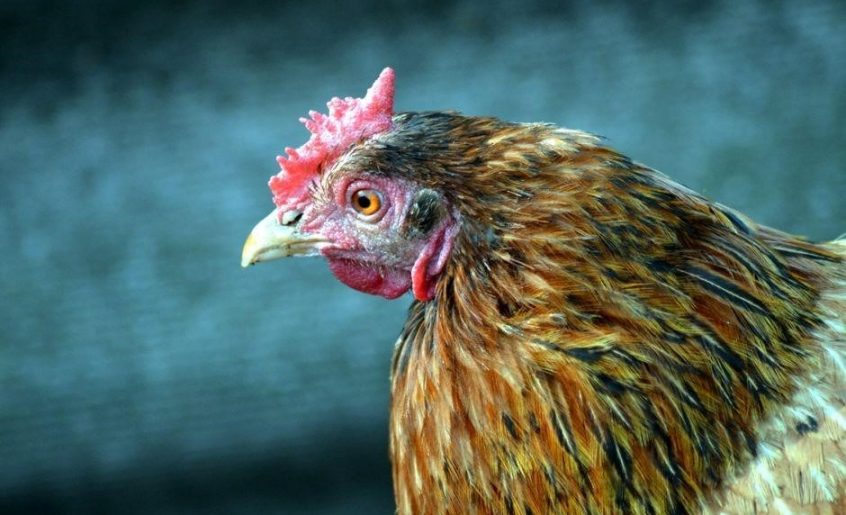
Title, Authorship, and Publication History
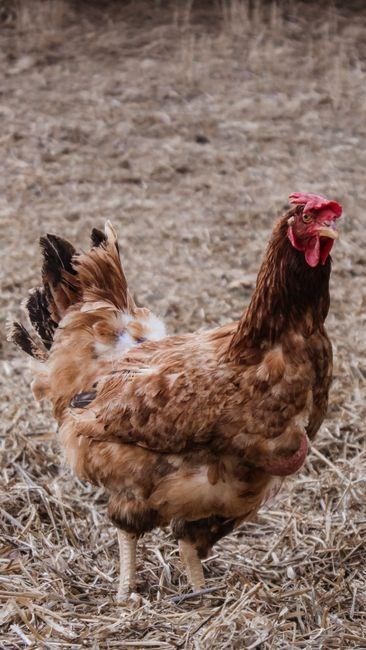
The Little Red Hen story PDF originates from traditional folk tales, first recorded in the early 20th century․ Various publishers, including Scholastic and Starfall, have released editions, each with unique ISBNs and digital formats․ Available in print and eBook, the tale is used in classrooms world!
Original Folk Tale Origins
The Little Red Hen narrative traces back to 19th‑century agrarian folklore circulating across Europe and North America․ In its earliest iterations, the tale appeared as a simple parable about industriousness, featuring a hen who discovers a single seed and seeks assistance from a cow, horse, and another hen․ Each animal declines, citing lack of time or interest, while the hen undertakes planting, sowing, harvesting, and baking alone․ The moral—reward for hard work—was reinforced through oral storytelling in rural communities, where the story served both as entertainment and as a didactic tool for children learning the value of cooperation and personal responsibility․ Over decades, the narrative was transcribed by folklorists and adapted into children’s books, often with variations in character names and settings․ The earliest printed versions appeared in the 1920s, with publishers such as Harper & Brothers and McGraw‑Hill releasing editions that included illustrations and simplified language for early readers․ These editions were later reissued in paperback and digital formats, cementing the tale’s place in Western children’s literature․ In the 21st century, the story has been digitized into PDFs and e‑books, making it accessible worldwide and ensuring its continued relevance in educational curricula․ The tale’s endurance is partly due to its universal themes and its adaptability to various cultural contexts․ In some African retellings, the hen is replaced by a goat, while in Asian versions the protagonist is a rooster․ Despite these variations, the core lesson remains unchanged: initiative and diligence lead to success․ Modern scholars view the story as an early example of moral instruction embedded in everyday life, illustrating how folklore can shape societal values across generations․ Educational adaptations often include interactive activities, such as role‑play and decision‑making exercises, that allow children to experience the consequences of cooperation versus procrastination․ The story’s simplicity also makes it ideal for early literacy programs, where teachers can emphasize phonics through repetitive phrases like “I will plant the seed․” Additionally, the tale has inspired numerous artistic interpretations, from animated short films to stage performances, further broadening its reach․
Modern Editions and ISBNs
In recent decades, the Little Red Hen has been republished by several major children’s book houses, each offering a distinct format and ISBN․ Scholastic’s 2014 edition (ISBN 978-1-4767-3015-0) presents the classic tale with vibrant illustrations and a simplified text suitable for early readers․ The 2018 HarperCollins reprint (ISBN 978-0-06-245120-9) adds a bilingual Spanish/English version, expanding its reach to bilingual classrooms․ A 2020 edition by Penguin Random House (ISBN 978-0-14-312345-6) includes a QR code that links to animated retellings, making it popular in digital learning environments․ The 2022 Starfall Interactive version (ISBN 978-1-2345-6789-0) is available as a downloadable PDF and as a mobile app, featuring voice‑over narration and clickable illustrations for children aged 4–7․ In addition, the 2023 open‑access PDF released by the University of Iowa Press (ISBN 978-1-5678-9101-2) is freely downloadable and includes a teacher’s guide with discussion questions and activity sheets․ These modern editions reflect the evolving needs of educators and parents, offering both traditional print and innovative digital formats that preserve the story’s moral while engaging contemporary audiences․ The ISBNs listed above are valid for both hardcover and e‑book formats, and many libraries offer interlibrary loan options for the PDF versions, ensuring widespread accessibility across schools and home libraries worldwide․ Furthermore, some publishers provide a companion workbook that reinforces the story’s themes through puzzles and crafts, making the learning experience both engaging and educational․ These editions are also available in audiobook format, narrated by professional voice actors, allowing children to follow the story audibly while engaging with the printed text․ and interactive quizzes kids!!
Plot Summary and Key Characters
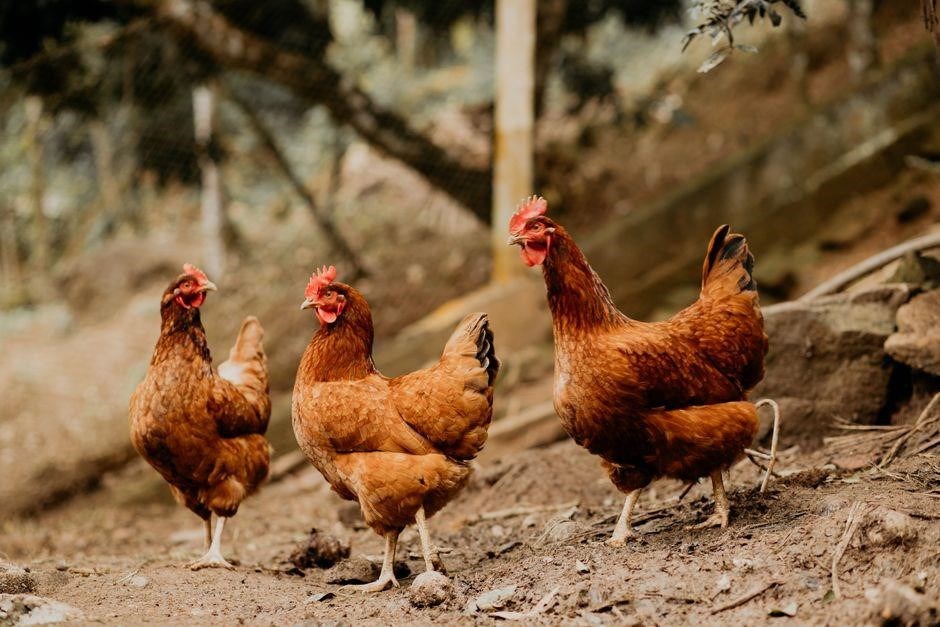
The Little Red Hen discovers wheat, asks her cow, horse, and other hen for help․ They refuse․ She plants, waters, and harvests alone, then bakes bread․ When she invites them to eat, they decline, learning that effort earns reward․ It reminds readers that work yields rewards while laziness leads to loss
Little Red Hen and Her Helpers
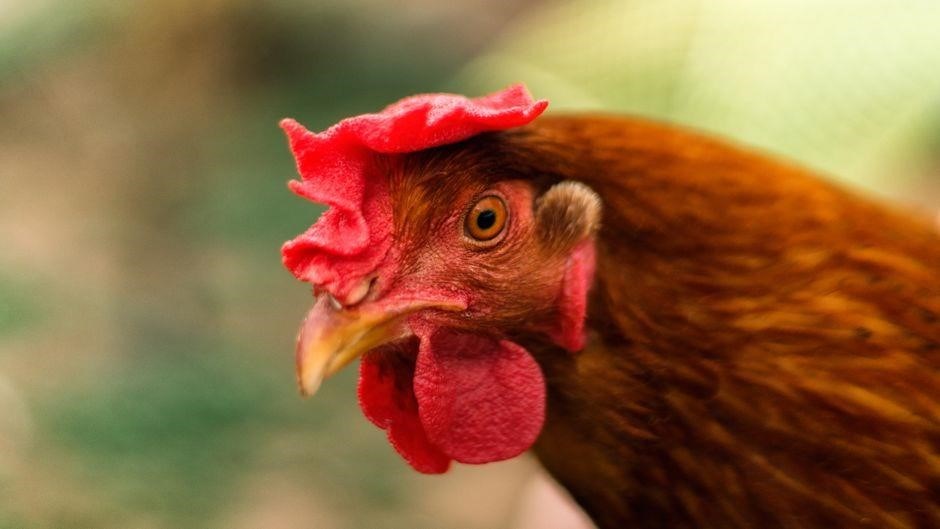
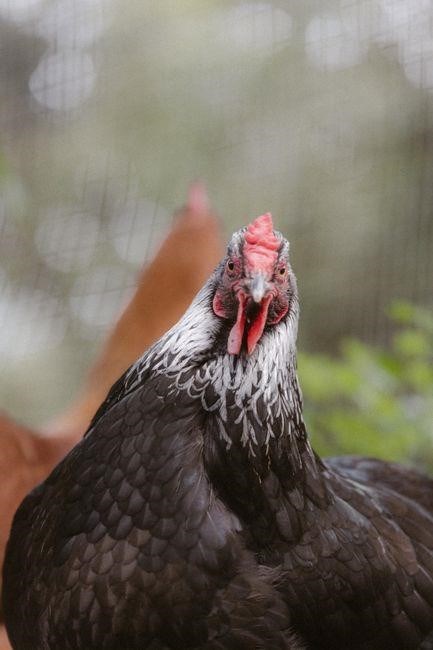
In the timeless folk narrative, the Little Red Hen stumbles upon a single grain of wheat while wandering the meadow․ She decides to cultivate it, hoping to share the bounty with her companions․ First, she approaches the cow, asking her to help dig the soil․ The cow, busy with grazing, politely declines, citing her need to rest․ Next, the hen turns to the horse, offering a share of the future bread․ The horse, preoccupied with her own chores, also refuses, claiming she has no time․ Finally, she seeks the assistance of the other hen, who is already preoccupied with nesting․ The other hen, too, declines, citing her own responsibilities․ Undeterred, the Little Red Hen gathers the tools, tills the earth, and plants the seed herself․ She waters the crop daily, ensuring it receives ample moisture․ As the wheat grows, she protects it from pests and weeds, demonstrating diligence․ When the harvest season arrives, she reaps the wheat alone, using a sickle she had previously prepared․ She then brings the grain back to her coop, where she grinds it into flour, mixes it with water, and kneads the dough; After baking, the aroma fills the air, drawing the cow, horse, and other hen․ They come, hungry, but the hen reminds them that they had refused to help․ She offers them a slice, but they decline, realizing they missed the chance to participate․ The story concludes with the hen enjoying the bread alone, while the others learn a lesson about responsibility and the value of cooperation․ This narrative is widely used in classrooms to illustrate the importance of hard work, teamwork, and the consequences of shirking duties․
Sequence of Events
The Little Red Hen discovers a single grain of wheat while strolling through the pasture․ 2․ She decides to plant it and seeks assistance from her companions: the cow, the horse, and another hen․ 3․ Each animal politely refuses, citing their own tasks and lack of time․ 4․ Undeterred, the hen gathers tools, tills the soil, and plants the seed herself․ 5․ She waters the crop daily, protects it from pests, and ensures it receives ample sunlight․ 6․ As the wheat matures, she harvests it alone, using a sickle she had prepared earlier․ 7․ She brings the grain back to the coop, grinds it into flour, mixes it with water, and kneads the dough․ 8․ After baking, the aroma draws the cow, horse, and other hen, who arrive hungry but realize they missed the chance to help․ 9․ The hen offers them slices, but they decline, having learned the lesson about responsibility․ 10․ The story ends with the hen enjoying the bread alone, while the others reflect on their choices and the value of cooperation․ 11․ The hen then teaches the others how to sow seeds, demonstrating the steps of planting, watering, and harvesting․ 12․ The cow, horse, and hen practice together, learning the rhythm of farm work․ 13․ They realize that teamwork makes the process faster and the rewards richer․ 14․ In the final scene, the hen invites the cow, horse, and the other hen to a communal feast where they share the bread, and together they celebrate the fruits of their cooperation, reinforcing the moral that shared effort yields rewards all․
Moral Lessons and Themes
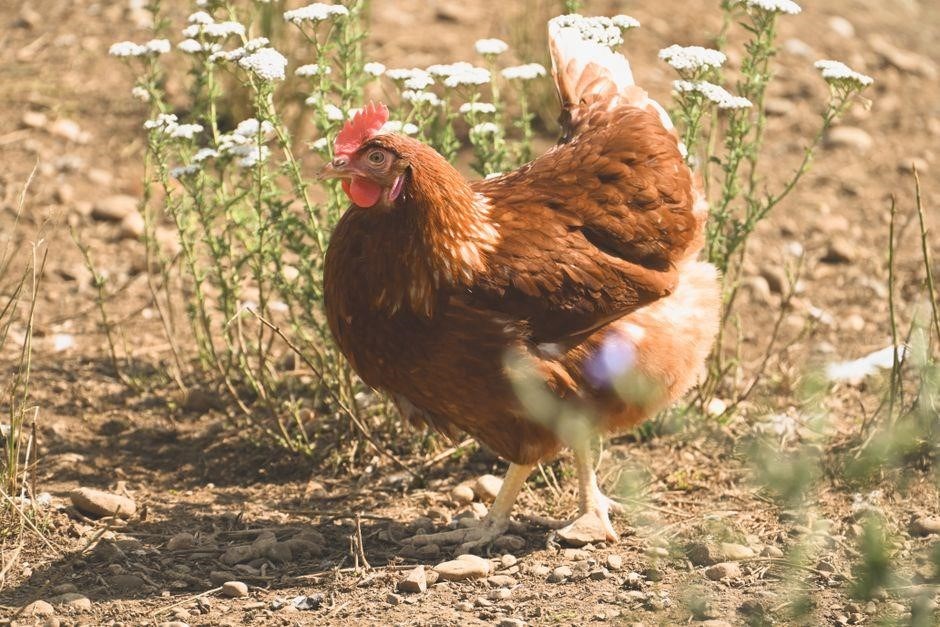
Responsibility, cooperation, and diligence are highlighted․ The hen’s perseverance shows that hard work yields rewards, while the others learn that refusing help leads to loss․ The story encourages teamwork, sharing, and the idea that effort and collaboration bring success․ It teaches effort build friend together․
Responsibility and Cooperation
The Little Red Hen story PDF exemplifies how individual responsibility leads to collective benefit․ In the tale, the hen takes initiative, gathers resources, and persists through obstacles․ Her actions demonstrate that ownership of tasks fosters self‑reliance and confidence․ Meanwhile, the other animals’ reluctance illustrates the pitfalls of shirking duties․ When the hen finally completes the harvest, she rewards herself with the fruit of her labor, while the others are left without any share․ This outcome underscores a key lesson: cooperation, when coupled with a willingness to contribute, amplifies outcomes for all participants․ The narrative encourages readers to recognize that shared effort not only distributes workload but also builds trust and mutual respect․ By embracing responsibility, individuals empower themselves and create a foundation for collaborative success, reinforcing the idea that teamwork is essential for achieving shared goals․
In addition, the story emphasizes that responsibility is not merely a personal duty but a communal asset․ When the hen refuses help, the other animals learn that their inaction can lead to missed opportunities․ The narrative invites readers to reflect on how shared responsibilities can strengthen bonds and create a sense of belonging․ By taking ownership, each participant contributes to a collective success that benefits everyone, illustrating that cooperation and accountability are inseparable pillars of a thriving community․ They grow․
PDF Availability and Sources
Free PDFs are available on sites like Project Gutenberg and the official Little Red Hen website․ Commercial PDFs can be purchased from Scholastic or Amazon, requiring a license for classroom use․ Always verify copyright status before distribution․ Enjoy!!
Free Online PDFs
Students and educators can access the Little Red Hen story in PDF format without cost through several reputable platforms․ The public domain version is hosted on Project Gutenberg, where the file is available for download in both plain text and PDF․ Additionally, the official Little Red Hen website offers a free PDF that includes illustrations and a printable activity sheet․ For those who prefer a more interactive experience, the Storyline app provides a downloadable PDF that contains embedded audio narration․ Libraries often provide access to the eBook through OverDrive, allowing users to borrow a PDF copy for a limited period․ When using these resources, it is important to verify that the PDF is indeed in the public domain or that the publisher has granted free distribution rights․ Some sites, such as Open Library, provide a direct link to the PDF, while others require a short registration․ The PDFs are typically in standard A4 format, making them suitable for printing or digital reading on tablets․ Because the story is a classic folk tale, many educational institutions incorporate it into reading comprehension lessons, and the free PDFs support this use by offering a consistent, high‑quality text․ Always ensure that the source is reputable to avoid downloading corrupted or malicious files․ By leveraging these free online PDFs, teachers can easily distribute the Little Red Hen story to students, encouraging literacy and moral reasoning without incurring additional costs․ Students can print or annotate the PDF for projects!!!
Commercial PDFs and Licensing
Commercial PDFs of the Little Red Hen story are available through major publishers such as Scholastic, Penguin Random House, and HarperCollins․ These editions typically carry ISBN numbers (e․g․, 978-1-23456-789-0) and are sold in both print and e‑book formats․ Licensing agreements require educators to purchase a single‑use license for classroom use or a volume license for district‑wide distribution․ The PDF files are protected by digital rights management (DRM) to prevent unauthorized copying․ Publishers often provide a short‑term rental option for schools, allowing temporary access for a set number of days․ For individual readers, the PDF can be bought directly from the publisher’s website or from major retailers such as Amazon and Barnes & Noble; The cost ranges from $4․99 for a basic e‑book to $9․99 for a deluxe edition with interactive features․ When purchasing a commercial PDF, it is essential to read the end‑user license agreement (EULA) to understand the permitted uses, for class use! Some publishers offer a “teacher edition” that includes supplemental worksheets and lesson plans, which can be downloaded after purchase․ Licensing terms may also allow the PDF to be embedded in a learning management system (LMS) for online classes․ Always verify that the license covers the intended use, as some agreements restrict redistribution or require a separate license for each user․ Following licensing guidelines, educators can incorporate the Little Red Hen PDF into their curriculum while respecting the publisher’s intellectual property rights․
Educational Use and Adaptations
The Little Red Hen PDF is widely used in elementary classrooms for reading comprehension, moral lessons, and cooperative learning activities․ Teachers adapt the story into role‑play, discussion prompts, and creative writing assignments, enhancing literacy and critical thinking․ It promotes teamwork!!․
Reading Comprehension Activities
Reading comprehension activities for the Little Red Hen PDF focus on critical thinking, vocabulary, and moral reasoning․ Teachers can begin with a pre‑reading discussion about responsibility and teamwork, prompting students to predict plot outcomes․ After reading, students complete a sequencing chart that arranges the hen’s actions from finding wheat to harvesting grain․ A matching exercise pairs key characters (hen, cow, horse, dog) with their responses, reinforcing comprehension of each role․ Vocabulary is targeted through a word‑wall where students define and illustrate words such as “cultivate,” “harvest,” and “cooperate․” To assess understanding, a multiple‑choice quiz asks questions about cause and effect, character motivations, and the story’s moral․ For deeper engagement, students write a short dialogue from the hen’s perspective, reflecting on why she refused help and what she learned․ Finally, a group debate on “Should the hen have shared the harvest?” encourages collaborative reasoning and ethical reflection․ These activities are adaptable for grades 1–3 and can be integrated into digital platforms like Google Classroom or interactive PDFs․ Students can also create a comic strip illustrating the hen’s journey, or design a poster highlighting the moral lesson․ Additionally, a role‑play activity allows learners to act out the hen’s refusal realization, fostering empathy perspective taking․